Economies of Deferral
08 Aug - 15 Nov 2026
Economies of Deferral tells a story of development and abandonment from within the heart of Aotearoa New Zealand’s energy industry.
The exhibition includes artists from Taranaki, Aotearoa and working internationally between the 1980s to the present whose work bears witness to, advocates from within, and troubles our understanding of the profound economic, social and political transformations that have shaped the last four decades.
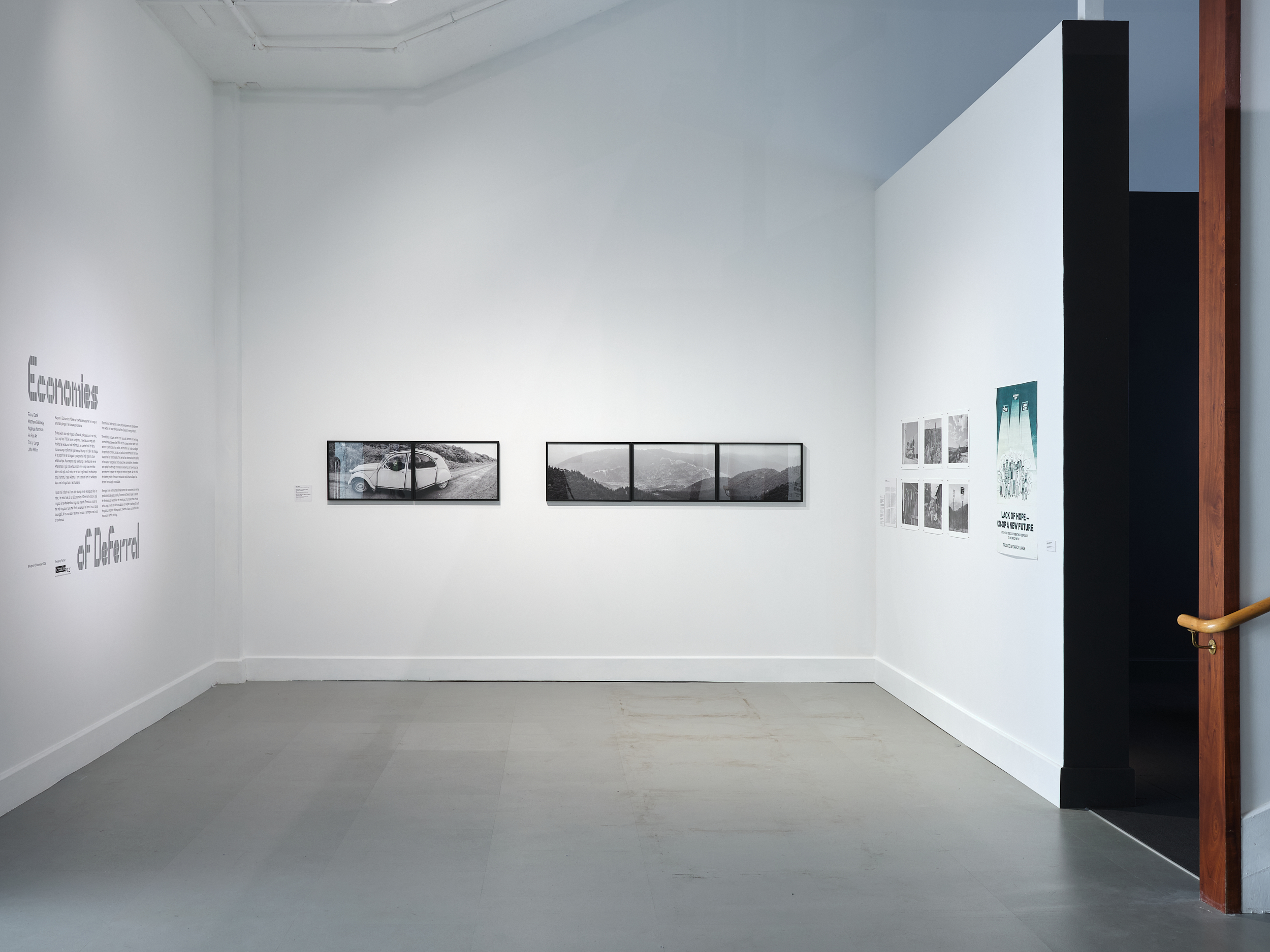
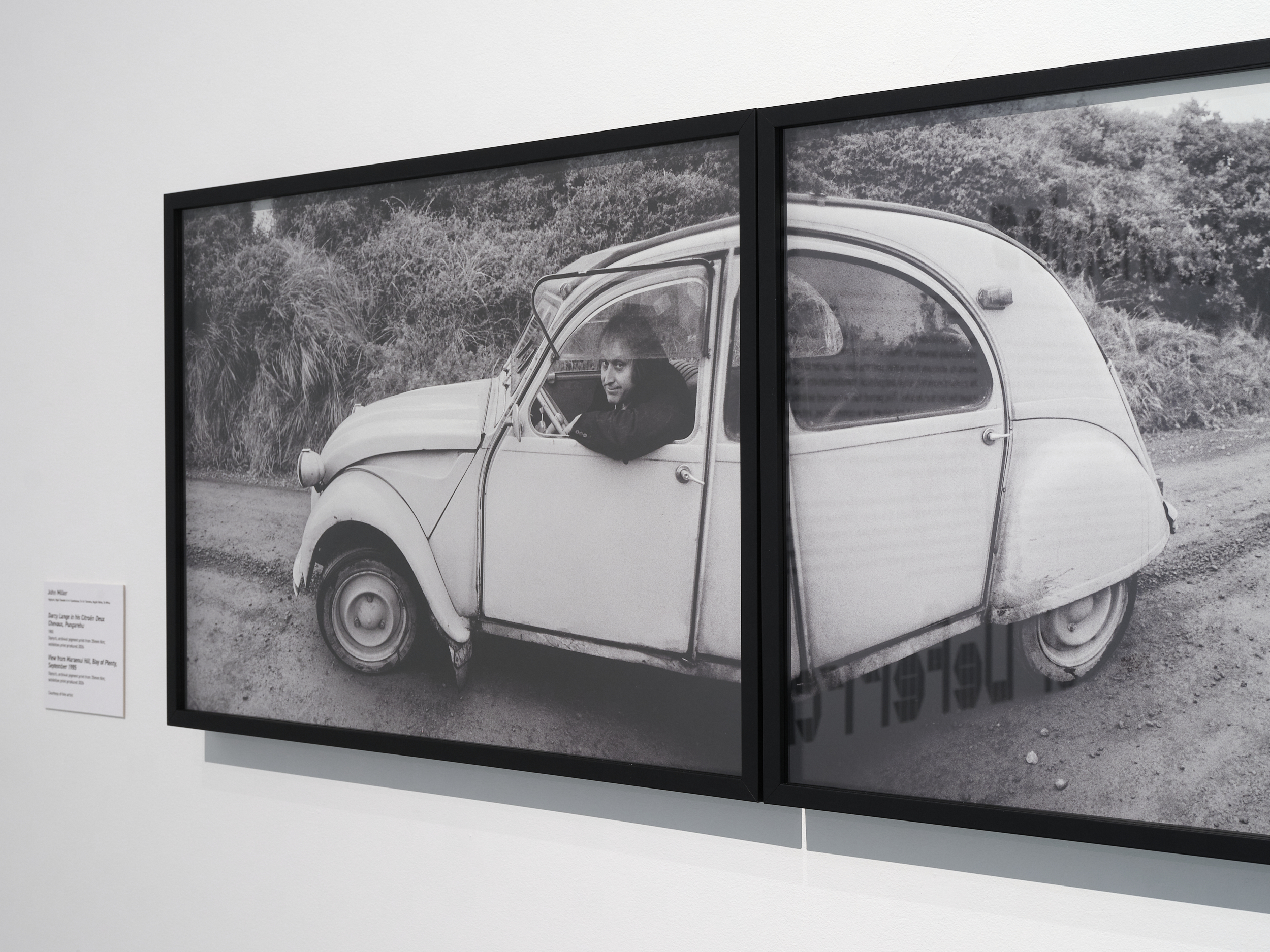
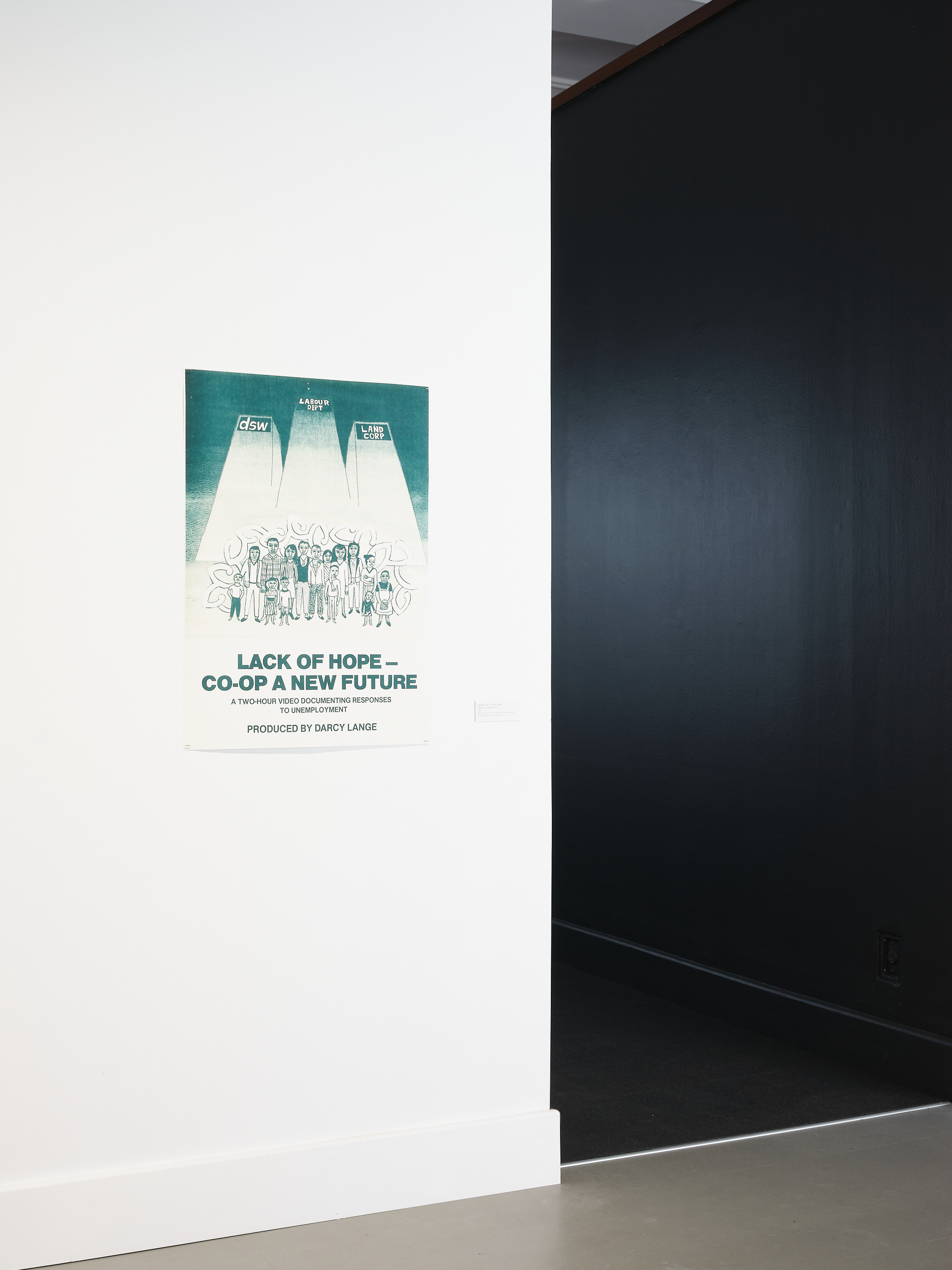
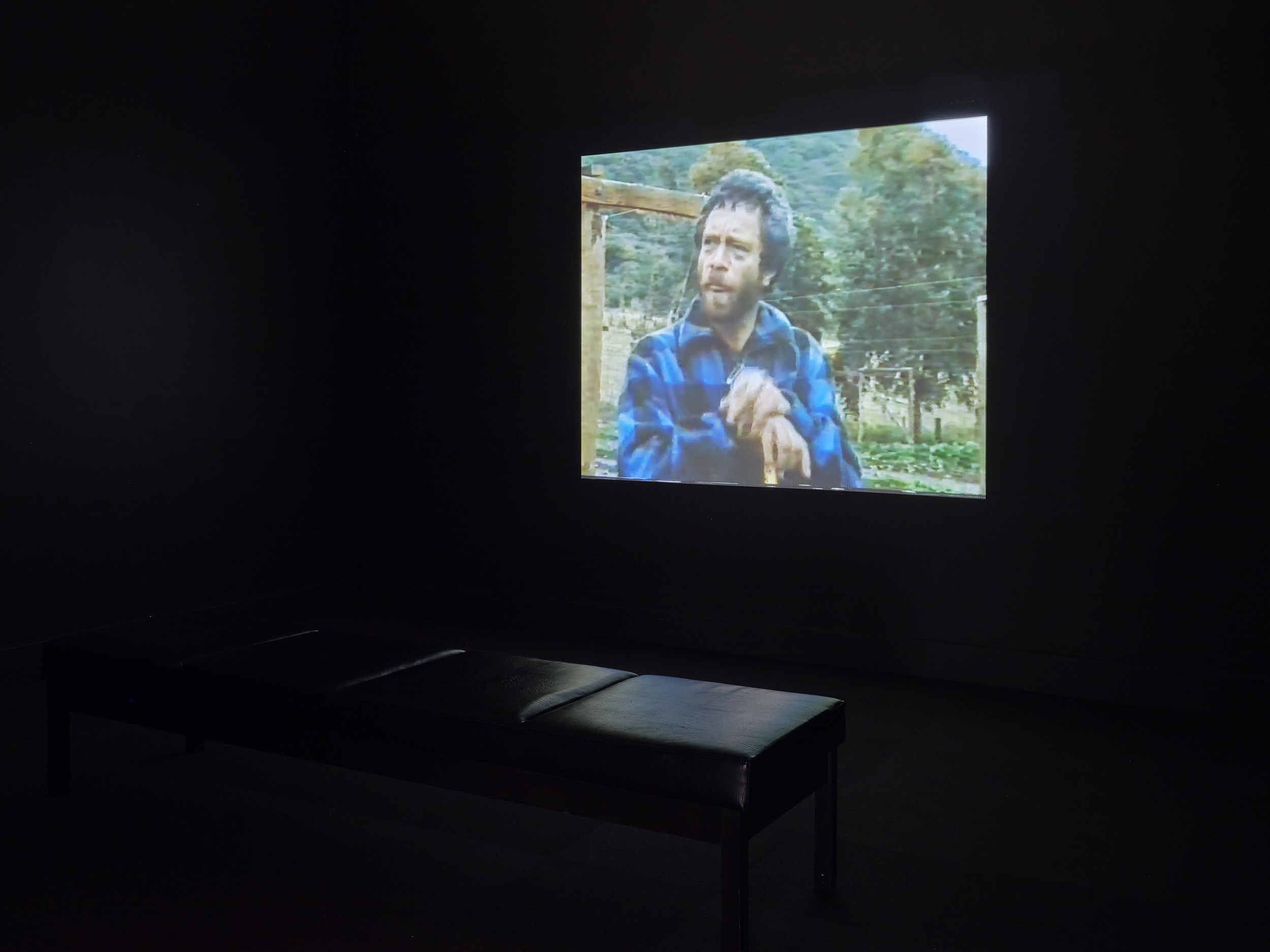
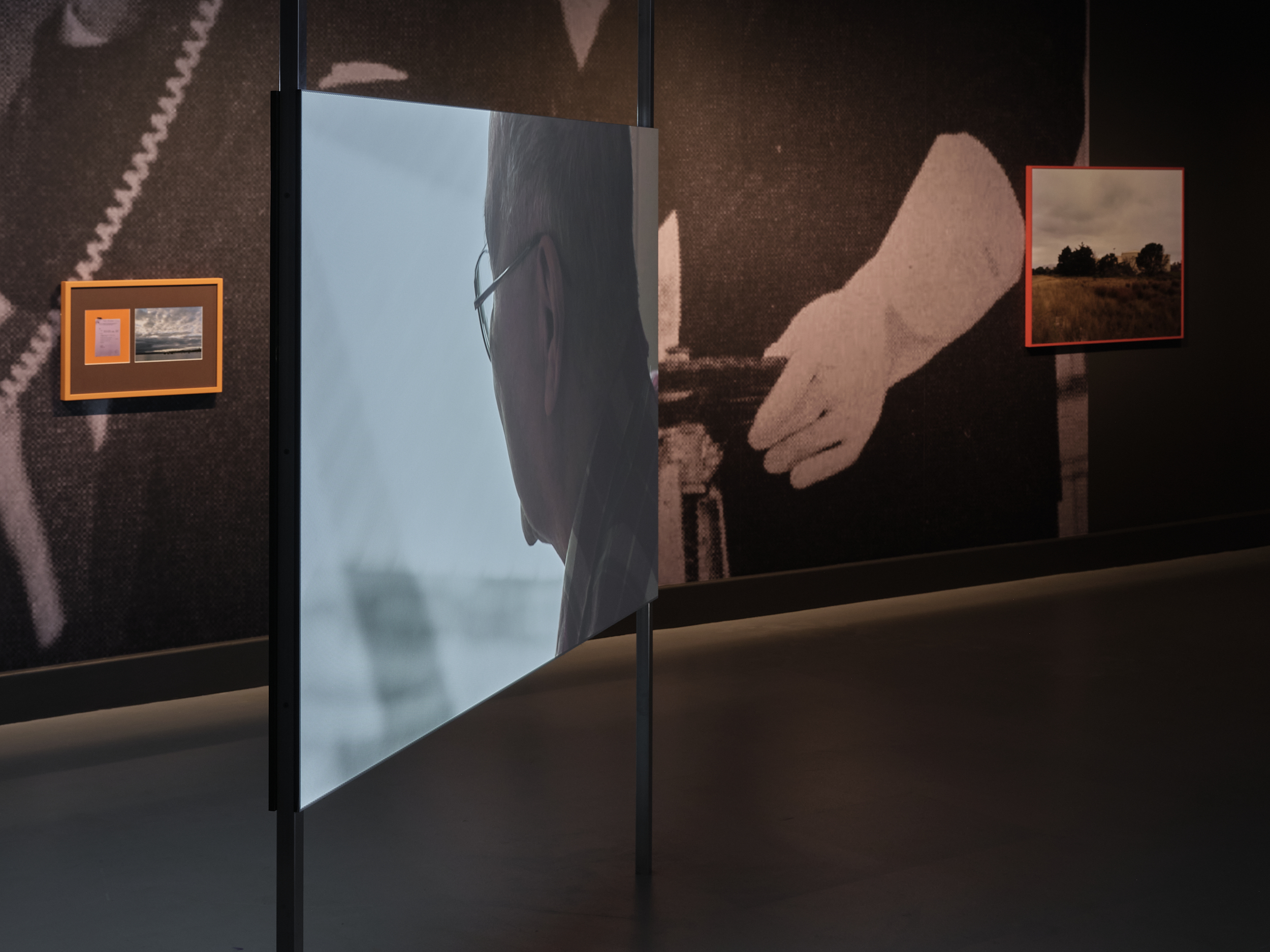
At the project’s heart is a re-engagement with Urenui-born film- and video-maker Darcy Lange’s 1987 video Lack of Hope: Co-op a new future, produced in collaboration with John Miller (Ngāi Tawake ki te Tuawhenua, Ngāti Rēhia, Te Whiu, Ngāpuhi). Developed three years into the neoliberal restructuring of New Zealand’s economy, the video documents the voices of unemployed workers and groups organising in their interests in Taranaki, Tāmaki Makaurau and Tairāwhiti. Made by an artist with a lifelong investment in the ethics, problems and possibilities of representing labour and political struggle, the video seeks stable ground within a moment of profound uncertainty, and acts as testimony to human lives caught up in the tides of structural adjustment.
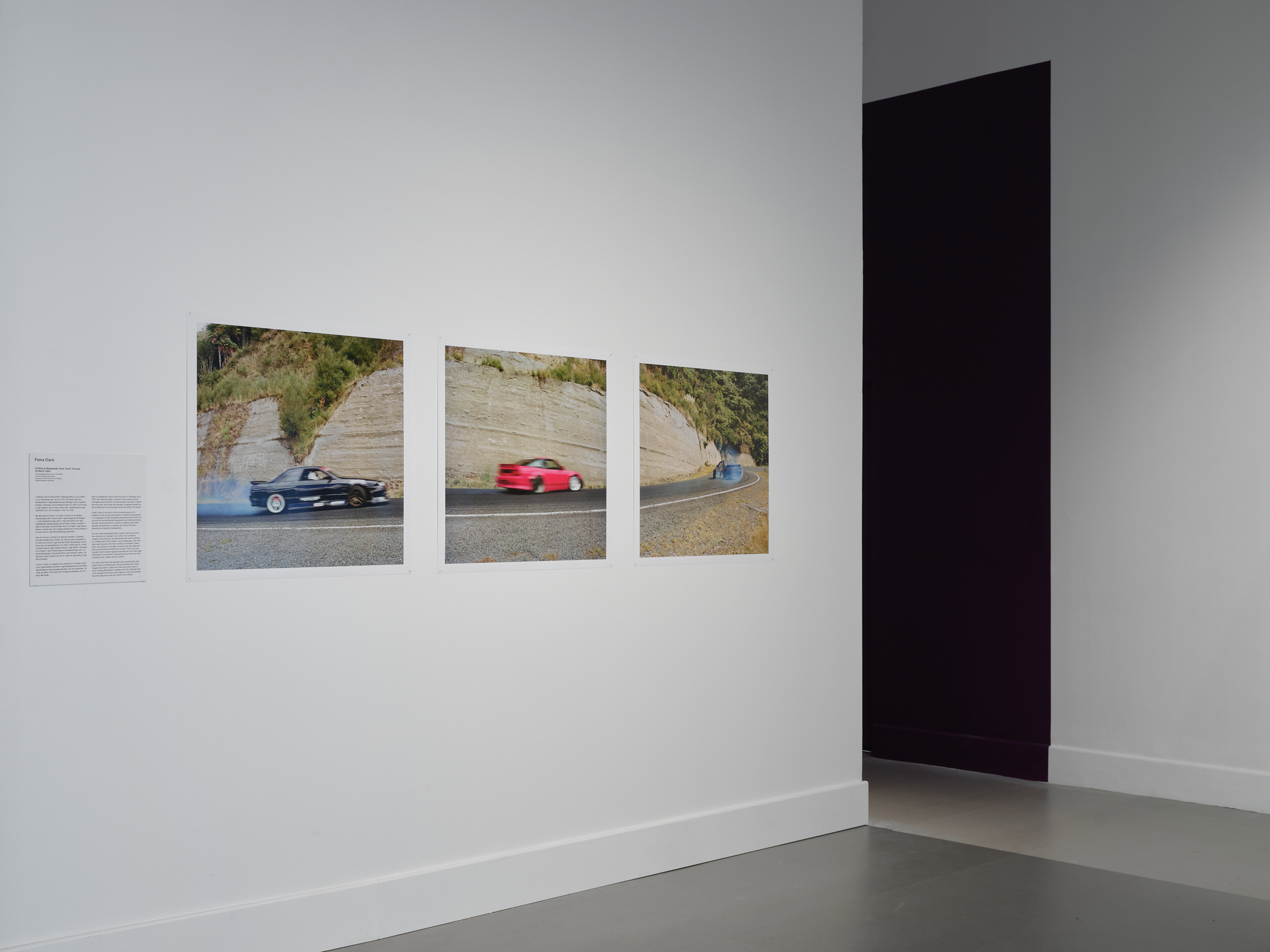
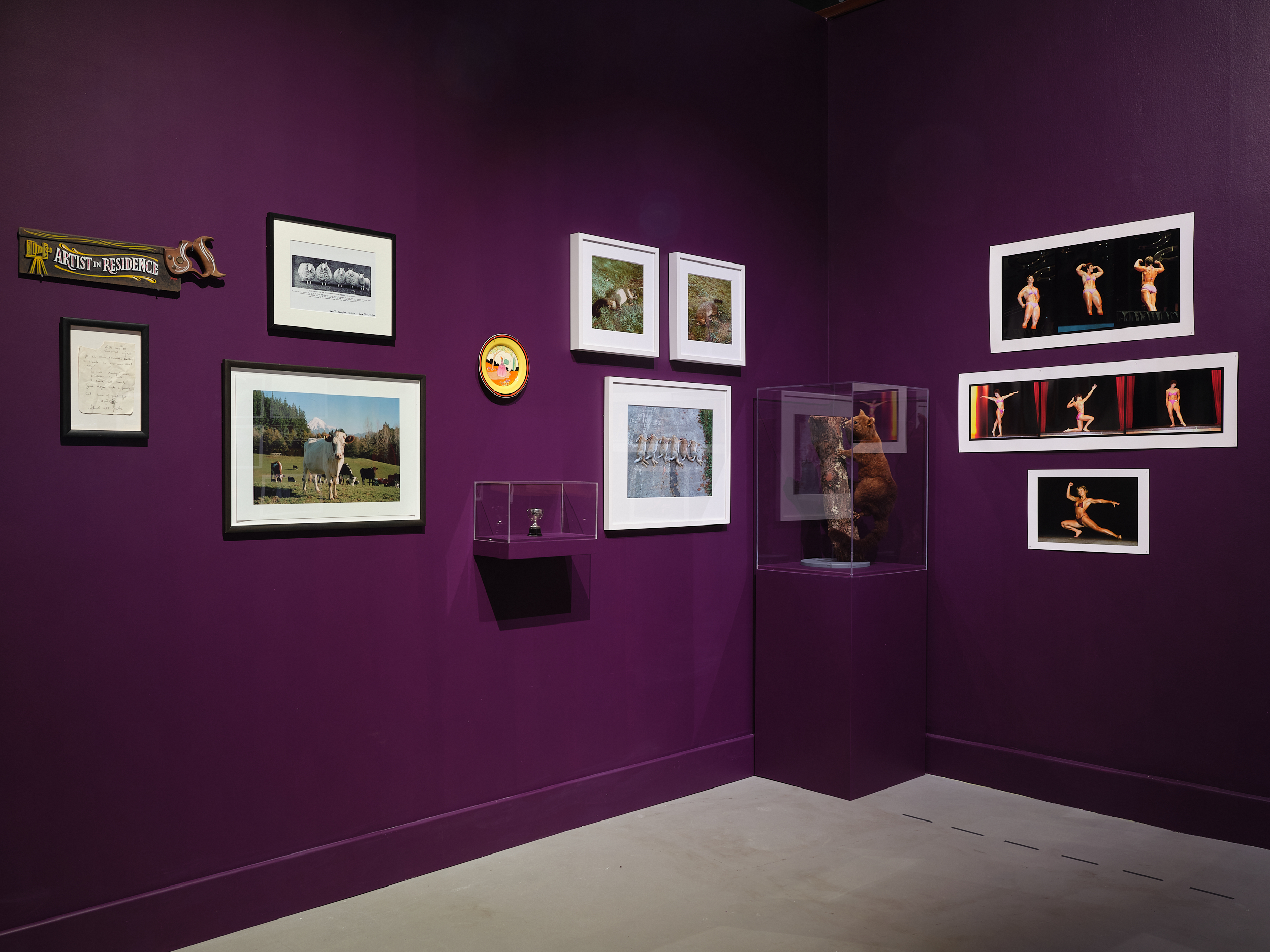
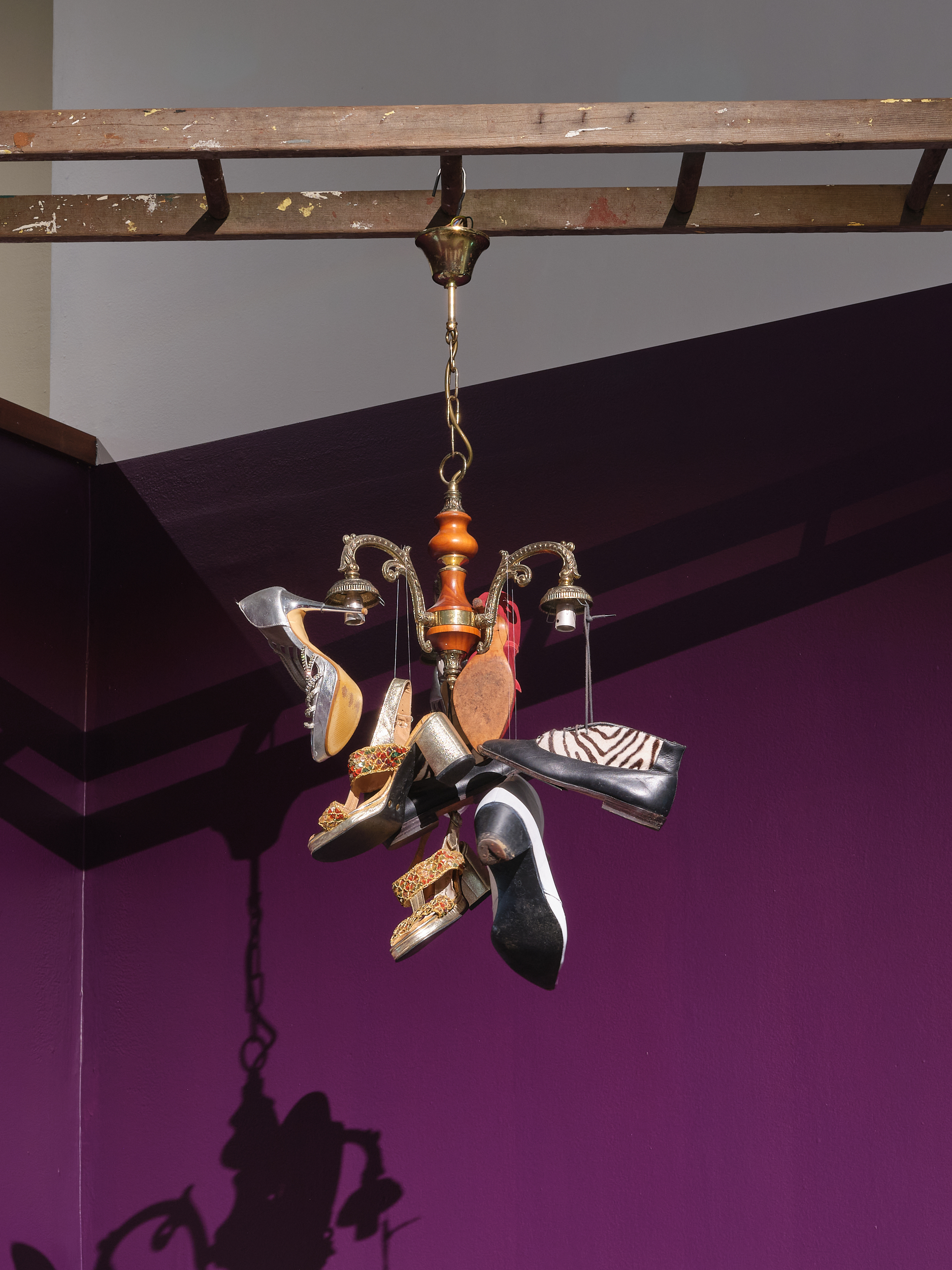
The exhibition also features archival and newly developed work by Fiona Clark, who has recorded over fifty years the social and ecological change wrought by the extractive industries that surround her home in Tikorangi, as well as community-led efforts to hold powerful actors to account.
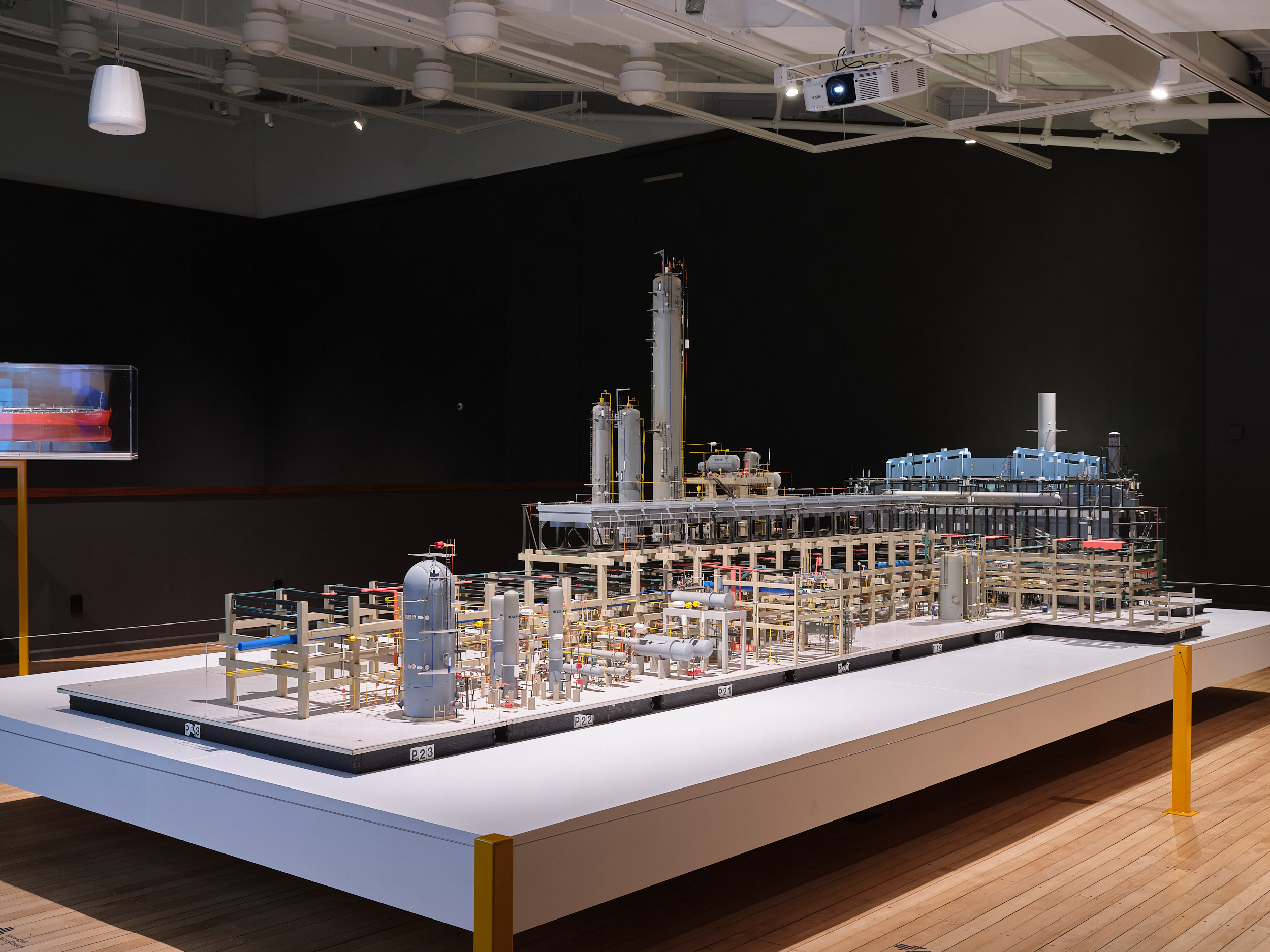
Matthew Galloway’s new work furthers the artist’s interest in the political and physical infrastructures of energy production and circulation. Galloway’s project considers the lives and afterlives of the 1979 oil crisis, and the Think Big infrastructure projects which sought to secure self-reliance for Aotearoa’s energy needs.
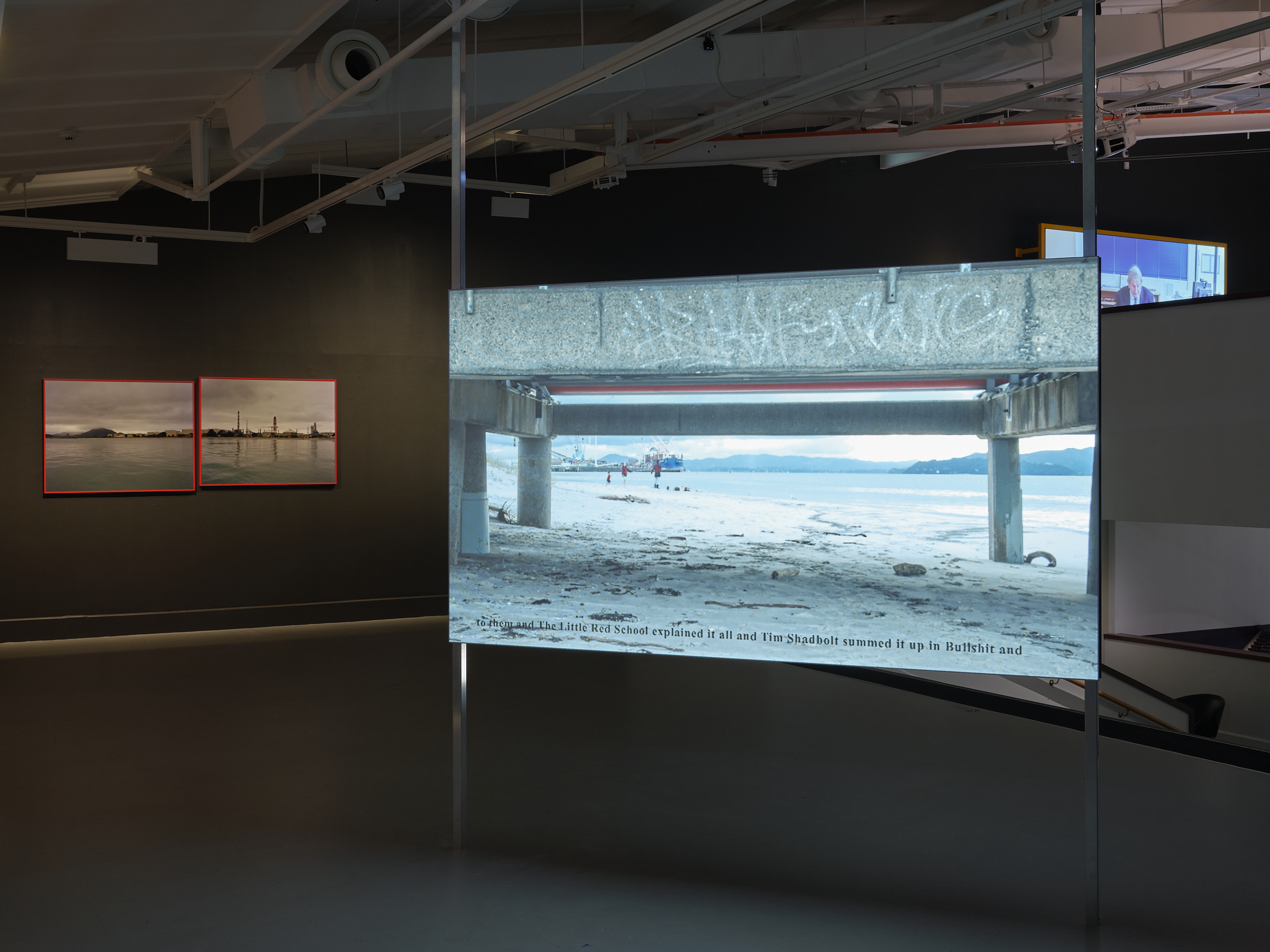
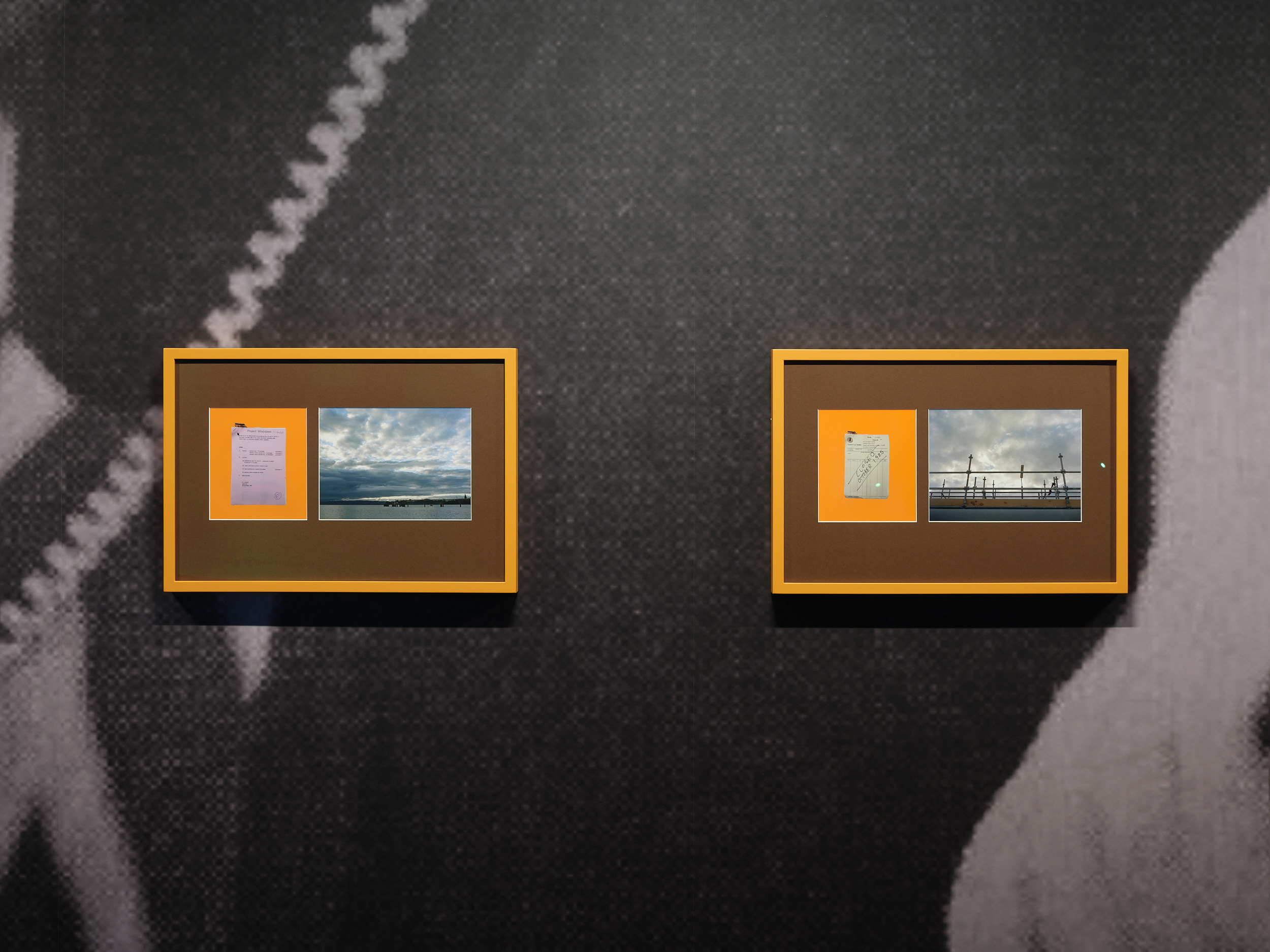
Ngahuia Harrison’s (Ngātiwai) newly commissioned body of work engages with sites of industry around Whangārei te Rerenga Parāoa (Whangārei Harbour) to examine the complex entanglements between economic dependency, ecological harm and Indigenous authority which saturate this place. Returning in particular to Marsden Point following the termination of its oil refinery operation in 2022, Harrison’s work examines the site’s unresolved place within local memory, and the deferred reckoning of industrial retreat—for workers, mana whenua, and the land and water upon which industry depends.
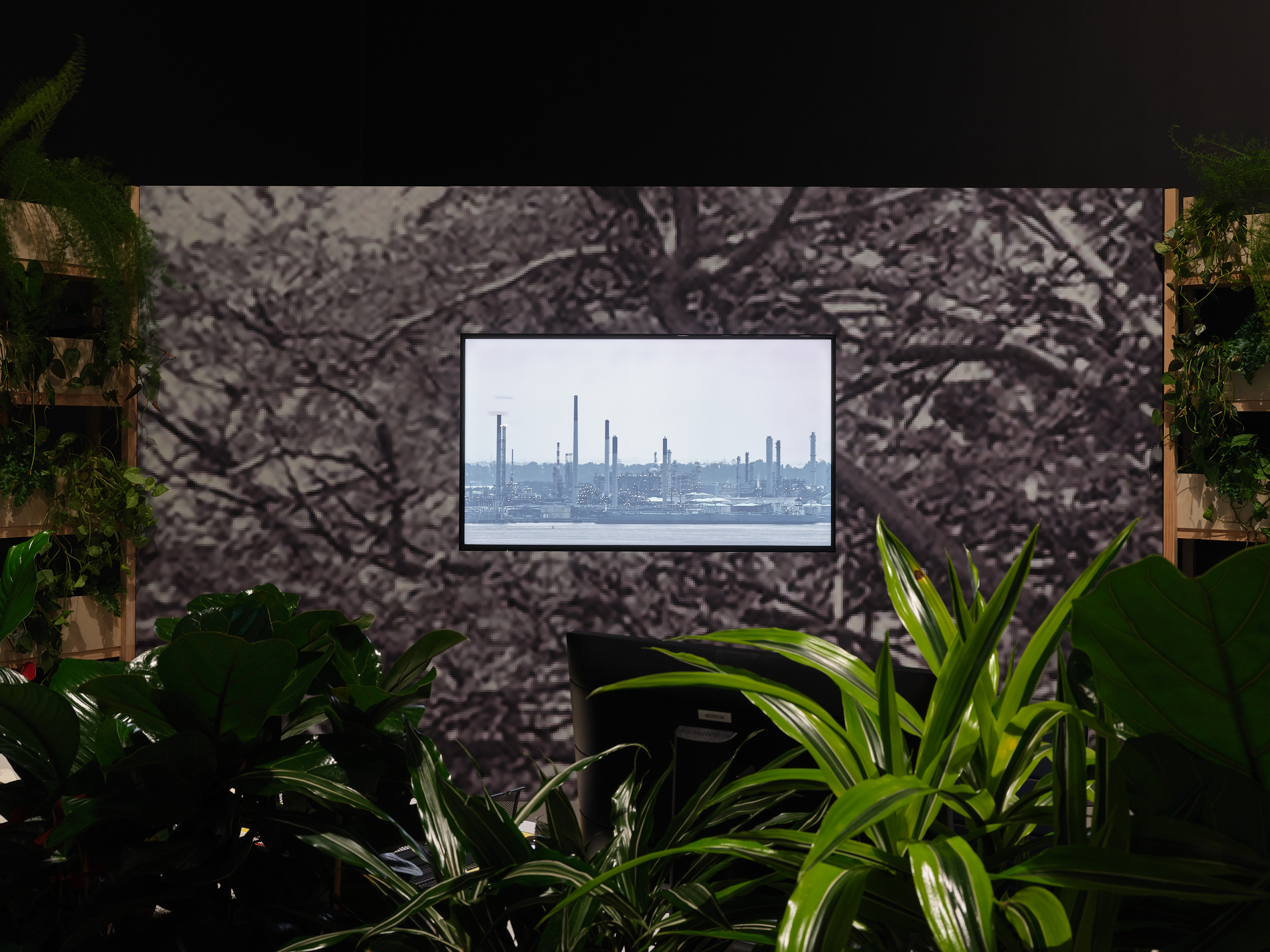
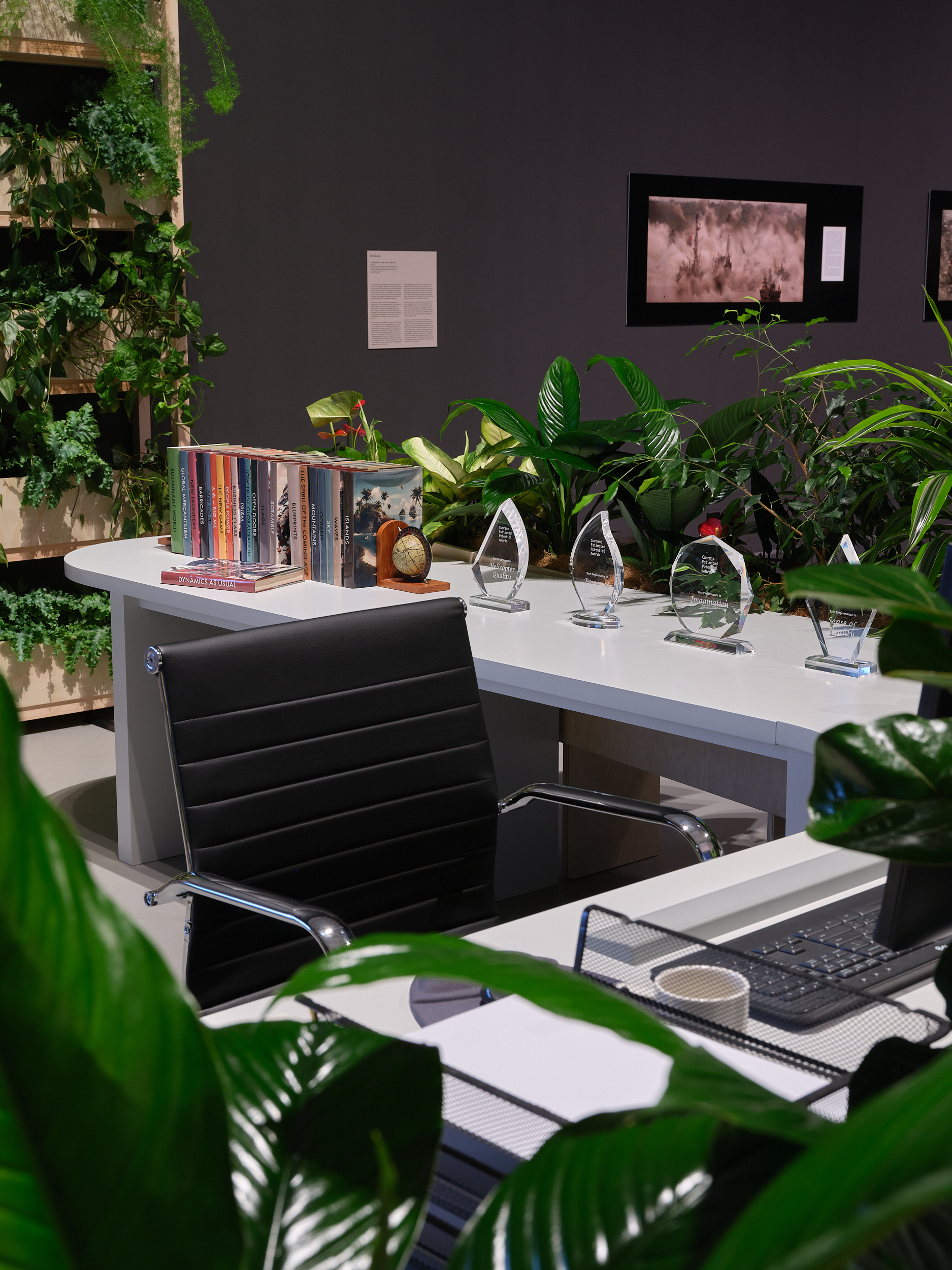
In his first presentation in Aotearoa, Singapore-based artist Ho Rui An’s work interrogates the interlaced histories of Singapore’s oil economy and its mythology as a “garden city.” Despite having no oil resources of its own, the island state provides Aotearoa with a third of its petroleum imports, through its refining, storage and distribution infrastructures which remain relatively inscrutable, though thoroughly enmeshed within the global flows of capital and fuel.
This project emerges within a transitional moment for economies and energy production locally and globally. It takes place within a context in which efforts to realise just transition towards a future compatible with human and earthly thriving are continually deferred by political impasse. It proposes artistic inquiry as capable of metabolising the movements, manoeuvrings, and unforeseen impacts of historical forces which shape what feels possible, and creating conditions to imagine the future, and past, anew.
-

Works by John Miller and Darcy Lange, Economies of Deferral, 2026, Govett-Brewster Art Gallery | Len Lye Centre, Ngāmotu New Plymouth. Photo: Samuel Hartnett.
Works by John Miller and Darcy Lange, Economies of Deferral, 2026, Govett-Brewster Art Gallery | Len Lye Centre, Ngāmotu New Plymouth. Photo: Samuel Hartnett.
-

John Miller, Darcy Lange in his Citroën Deux Chevaux, Pungarehu, 1985 diptych, archival pigment print from 35mm film; exhibition print produced 2026, detail. Courtesy of the artist. Photo: Samuel Hartnett.
John Miller, Darcy Lange in his Citroën Deux Chevaux, Pungarehu, 1985 diptych, archival pigment print from 35mm film; exhibition print produced 2026, detail. Courtesy of the artist. Photo: Samuel Hartnett.
-

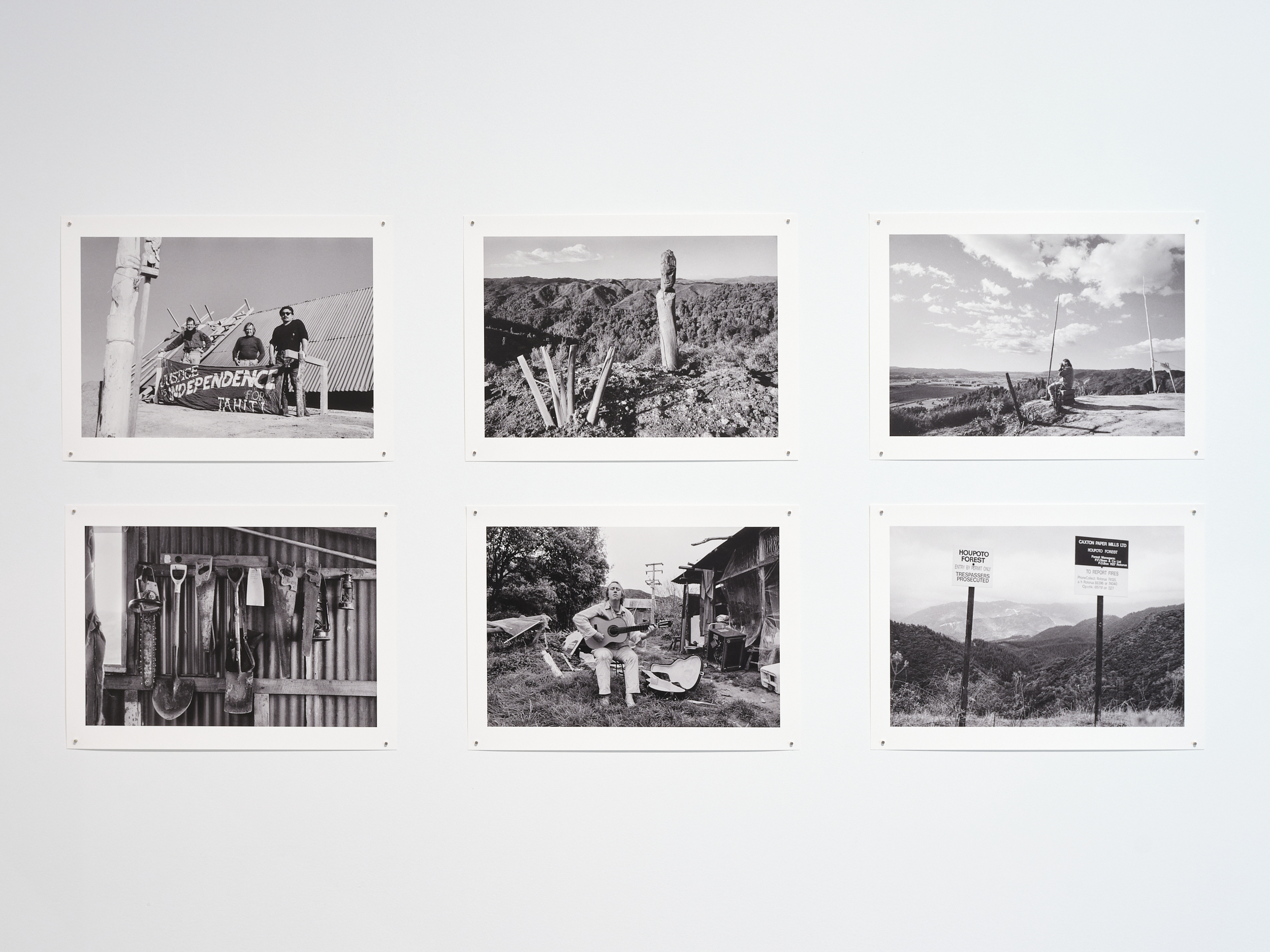
Works by John Miller, Economies of Deferral, 2026, Govett-Brewster Art Gallery | Len Lye Centre, Ngāmotu New Plymouth. Courtesy of John Miller and the Darcy Lange Estate.
Photo: Samuel HartnettWorks by John Miller, Economies of Deferral, 2026, Govett-Brewster Art Gallery | Len Lye Centre, Ngāmotu New Plymouth. Courtesy of John Miller and the Darcy Lange Estate.
Photo: Samuel Hartnett -

Poster for Darcy Lange, Lack of hope: Co-op a new future, 1987, Archival print on paper, exhibition print produced 2026, Govett-Brewster Art Gallery | Len Lye Centre, Ngāmotu New Plymouth. Courtesy of the Darcy Lange Archive. Photo: Samuel Hartnett
Poster for Darcy Lange, Lack of hope: Co-op a new future, 1987, Archival print on paper, exhibition print produced 2026, Govett-Brewster Art Gallery | Len Lye Centre, Ngāmotu New Plymouth. Courtesy of the Darcy Lange Archive. Photo: Samuel Hartnett
-

Darcy Lange, Lack of hope: Co-op a new future, 1987, Umatic video transferred to digital video, 2:00:27, Videography: Darcy Lange and John Miller, installation view, Govett-Brewster Art Gallery | Len Lye Centre, Ngāmotu New Plymouth. Courtesy of the Darcy Lange Archive. Photo: Samuel Hartnett
Darcy Lange, Lack of hope: Co-op a new future, 1987, Umatic video transferred to digital video, 2:00:27, Videography: Darcy Lange and John Miller, installation view, Govett-Brewster Art Gallery | Len Lye Centre, Ngāmotu New Plymouth. Courtesy of the Darcy Lange Archive. Photo: Samuel Hartnett
-

Fiona Clark, Drifting at Mangaotuku Road, South Taranaki, 28 March 2026, Archival pigment print from 120 mm film on Ilford Smooth Pearl paper. Courtesy of the artist and Lett Thomas, Tāmaki Makaurau Auckland. Photo: Samuel Hartnett.
Fiona Clark, Drifting at Mangaotuku Road, South Taranaki, 28 March 2026, Archival pigment print from 120 mm film on Ilford Smooth Pearl paper. Courtesy of the artist and Lett Thomas, Tāmaki Makaurau Auckland. Photo: Samuel Hartnett.
-

Works by Fiona Clark, in the dyke den, 2026, installation, Govett-Brewster Art Gallery | Len Lye Centre, Ngāmotu New Plymouth. Courtesy of the artist and Lett Thomas, Tāmaki Makaurau Auckland. Photo: Samuel Hartnett.
Works by Fiona Clark, in the dyke den, 2026, installation, Govett-Brewster Art Gallery | Len Lye Centre, Ngāmotu New Plymouth. Courtesy of the artist and Lett Thomas, Tāmaki Makaurau Auckland. Photo: Samuel Hartnett.
-

Fiona Clark, Stiletto chandelier, 2026, in the dyke den, 2026, installation, Govett-Brewster Art Gallery | Len Lye Centre, Ngāmotu New Plymouth. Courtesy of the artist and Lett Thomas, Tāmaki Makaurau Auckland. Photo: Samuel Hartnett.
Fiona Clark, Stiletto chandelier, 2026, in the dyke den, 2026, installation, Govett-Brewster Art Gallery | Len Lye Centre, Ngāmotu New Plymouth. Courtesy of the artist and Lett Thomas, Tāmaki Makaurau Auckland. Photo: Samuel Hartnett.
-

Left: Ngahuia Harrison, Reservation #1, 2026, Digital colour print and Reservation #2, 2026, Digital colour print; Right: A Debt so Large, 2026 HD digital video, 16:00, installation view, Economies of Deferral, Govett-Brewster Art Gallery, Ngāmotu New Plymouth. Courtesy of the artist. Photo: Samuel Hartnett.
Left: Ngahuia Harrison, Reservation #1, 2026, Digital colour print and Reservation #2, 2026, Digital colour print; Right: A Debt so Large, 2026 HD digital video, 16:00, installation view, Economies of Deferral, Govett-Brewster Art Gallery, Ngāmotu New Plymouth. Courtesy of the artist. Photo: Samuel Hartnett.
-

Works by Ngahuia Harrison, Economies of Deferral, 2026, Govett-Brewster Art Gallery | Len Lye Centre, Ngāmotu New Plymouth. Courtesy of the artist. Photo: Samuel Hartnett
Works by Ngahuia Harrison, Economies of Deferral, 2026, Govett-Brewster Art Gallery | Len Lye Centre, Ngāmotu New Plymouth. Courtesy of the artist. Photo: Samuel Hartnett
-

Left: Ngahuia Harrison, Untitled #1 (File R7935074/Ministry of Works: Project Wind Down), 2026, Digital colour print; Right: Ngahuia Harrison, Untitled #2 (File R7935074/Ministry of Works: Project Wind Down), 2026, Digital colour print. Courtesy of the artist. Photo: Samuel Hartnett
Left: Ngahuia Harrison, Untitled #1 (File R7935074/Ministry of Works: Project Wind Down), 2026, Digital colour print; Right: Ngahuia Harrison, Untitled #2 (File R7935074/Ministry of Works: Project Wind Down), 2026, Digital colour print. Courtesy of the artist. Photo: Samuel Hartnett
-

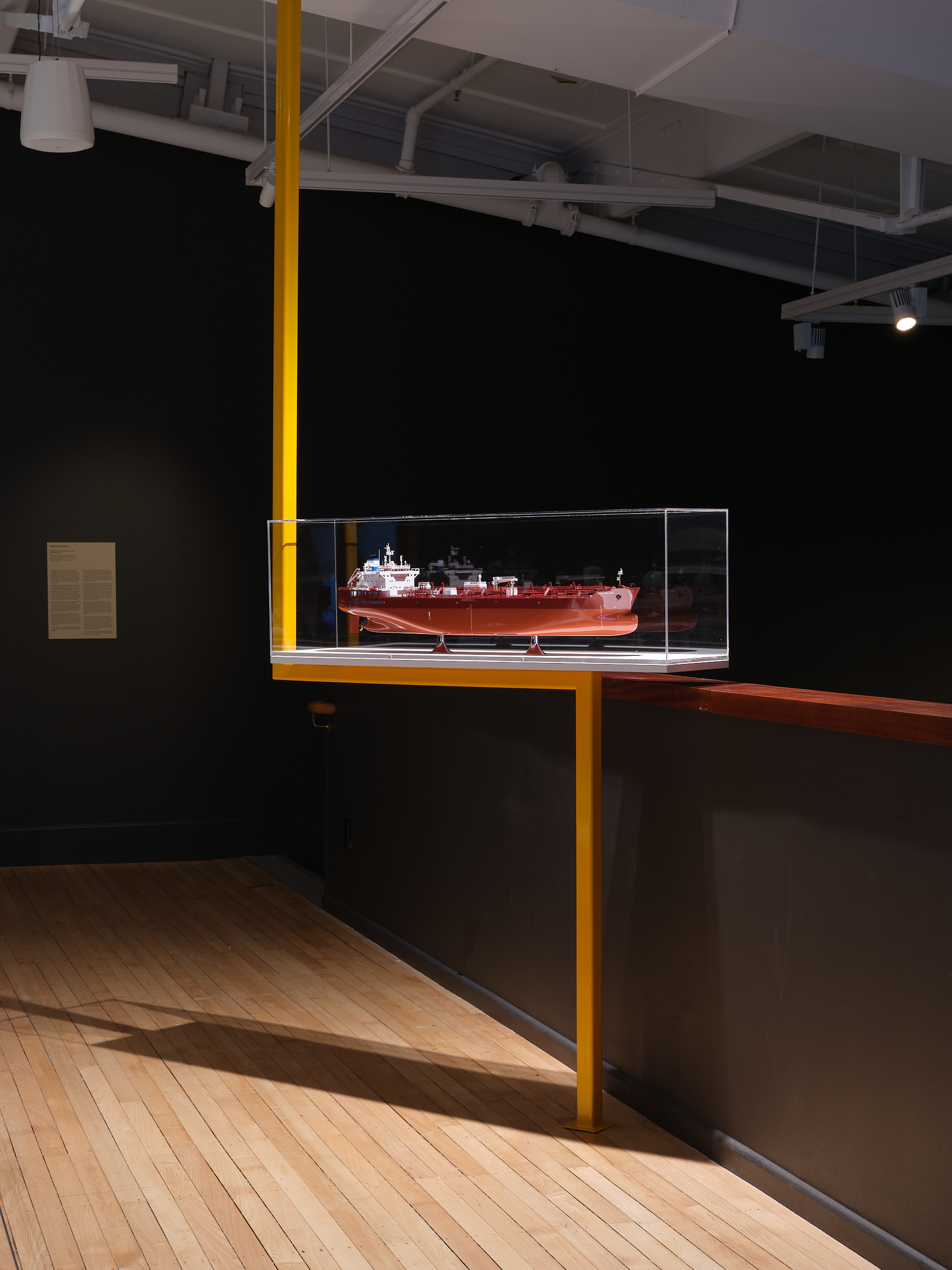
Matthew Galloway, Fragments of the Motunui Synthetic Petrol Plant Visitor Centre, 2026, Waitara Valley Methanol Plant Model, plastic wood, model produced c. 1981; Mari Kokako Model, metal, plastic; Cabo Negro Model, metal, plastic; Motunui Synthetic Petrol Plant Model, aerial view, wood, plastic, metal, model produced c. 1981, detail. Models from the collection of Methanex New Zealand Ltd. Courtesy of the artist. Photo: Samuel Hartnett.
Matthew Galloway, Fragments of the Motunui Synthetic Petrol Plant Visitor Centre, 2026, Waitara Valley Methanol Plant Model, plastic wood, model produced c. 1981; Mari Kokako Model, metal, plastic; Cabo Negro Model, metal, plastic; Motunui Synthetic Petrol Plant Model, aerial view, wood, plastic, metal, model produced c. 1981, detail. Models from the collection of Methanex New Zealand Ltd. Courtesy of the artist. Photo: Samuel Hartnett.
-

Matthew Galloway, Fragments of the Motunui Synthetic Petrol Plant Visitor Centre, 2026, Waitara Valley Methanol Plant Model, plastic wood, model produced c. 1981; Mari Kokako Model, metal, plastic; Cabo Negro Model, metal, plastic; Motunui Synthetic Petrol Plant Model, aerial view, wood, plastic, metal, model produced c. 1981, detail. Models from the collection of Methanex New Zealand Ltd. Courtesy of the artist. Photo: Samuel Hartnett.
Matthew Galloway, Fragments of the Motunui Synthetic Petrol Plant Visitor Centre, 2026, Waitara Valley Methanol Plant Model, plastic wood, model produced c. 1981; Mari Kokako Model, metal, plastic; Cabo Negro Model, metal, plastic; Motunui Synthetic Petrol Plant Model, aerial view, wood, plastic, metal, model produced c. 1981, detail. Models from the collection of Methanex New Zealand Ltd. Courtesy of the artist. Photo: Samuel Hartnett.
-

Ho Rui An, A Petropolis in a Garden with a Long View, 2024–26, Video installation with laser-etched crystal, acrylic awards, books, globe-shaped book holders, newspaper, magazine, mug, workspace accessories, office table and chair, wall shelves, planter boxes, assorted plants and wallpaper, detail, Economies of Deferral, Govett-Brewster Art Gallery, Ngāmotu New Plymouth. Courtesy of the artist. Photo: Samuel Hartnett.
Ho Rui An, A Petropolis in a Garden with a Long View, 2024–26, Video installation with laser-etched crystal, acrylic awards, books, globe-shaped book holders, newspaper, magazine, mug, workspace accessories, office table and chair, wall shelves, planter boxes, assorted plants and wallpaper, detail, Economies of Deferral, Govett-Brewster Art Gallery, Ngāmotu New Plymouth. Courtesy of the artist. Photo: Samuel Hartnett.
-

Works by Ho Rui An, Economies of Deferral, Govett-Brewster Art Gallery, Ngāmotu New Plymouth. Courtesy of the artist. Photo: Samuel Hartnett.
Works by Ho Rui An, Economies of Deferral, Govett-Brewster Art Gallery, Ngāmotu New Plymouth. Courtesy of the artist. Photo: Samuel Hartnett.
Opening Day Programme:
Join us on Saturday 8th August for an opening day celebration of immersive public programming.
11.00am - 12.00pm
Opening Day Artist Talks | Fiona Clark, John Miller
On the opening day of Economies of Deferral join us to hear artists Fiona Clark and John Miller (Ngāpuhi, Ngāi Tāwake ki te tuawhenua, Te Uri Taniwha, Ngāti Rēhia, Te Whiu) discuss their work.
2.00pm - 3.00pm
Opening Day Artist Talks | Ngahuia Harrison, Matthew Galloway
On the opening day of Economies of Deferral, hear artists Ngahuia Harrison (Ngātiwai) and Matthew Galloway discuss their newly commissioned projects.
4.30pm - 5.30pm
Opening Day Artist Performance | Ho Rui An, Between Two Trees
Alongside his first presentation in Aotearoa, you’re invited to an opening weekend performance lecture by Singapore-based artist Ho Rui An.
This is a free performance lecture that takes place in the Todd Energy Learning Centre, space is limited so please secure your space via the link on the event listing.