Nicola Toki on Simon Ingram's Vibrating World
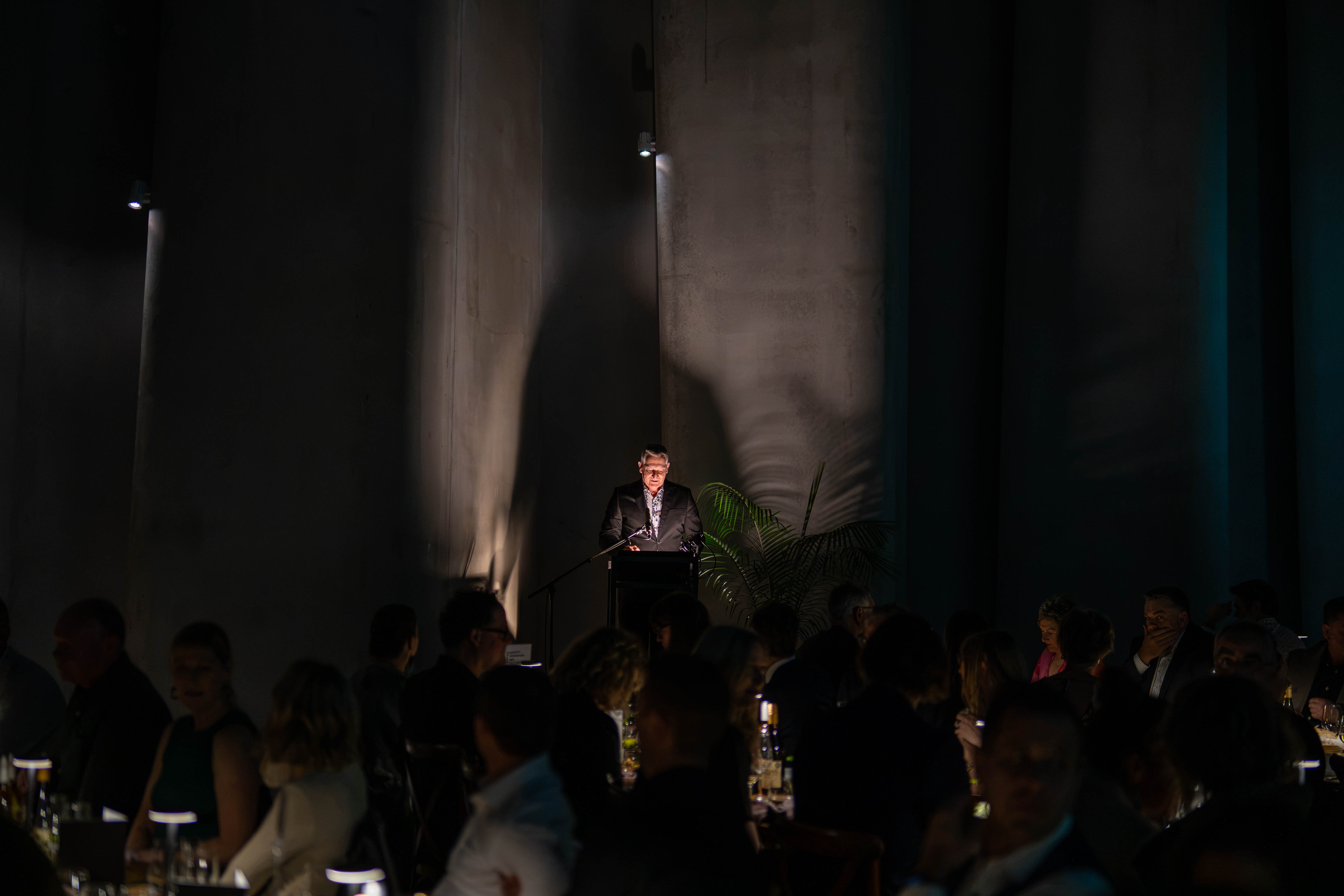
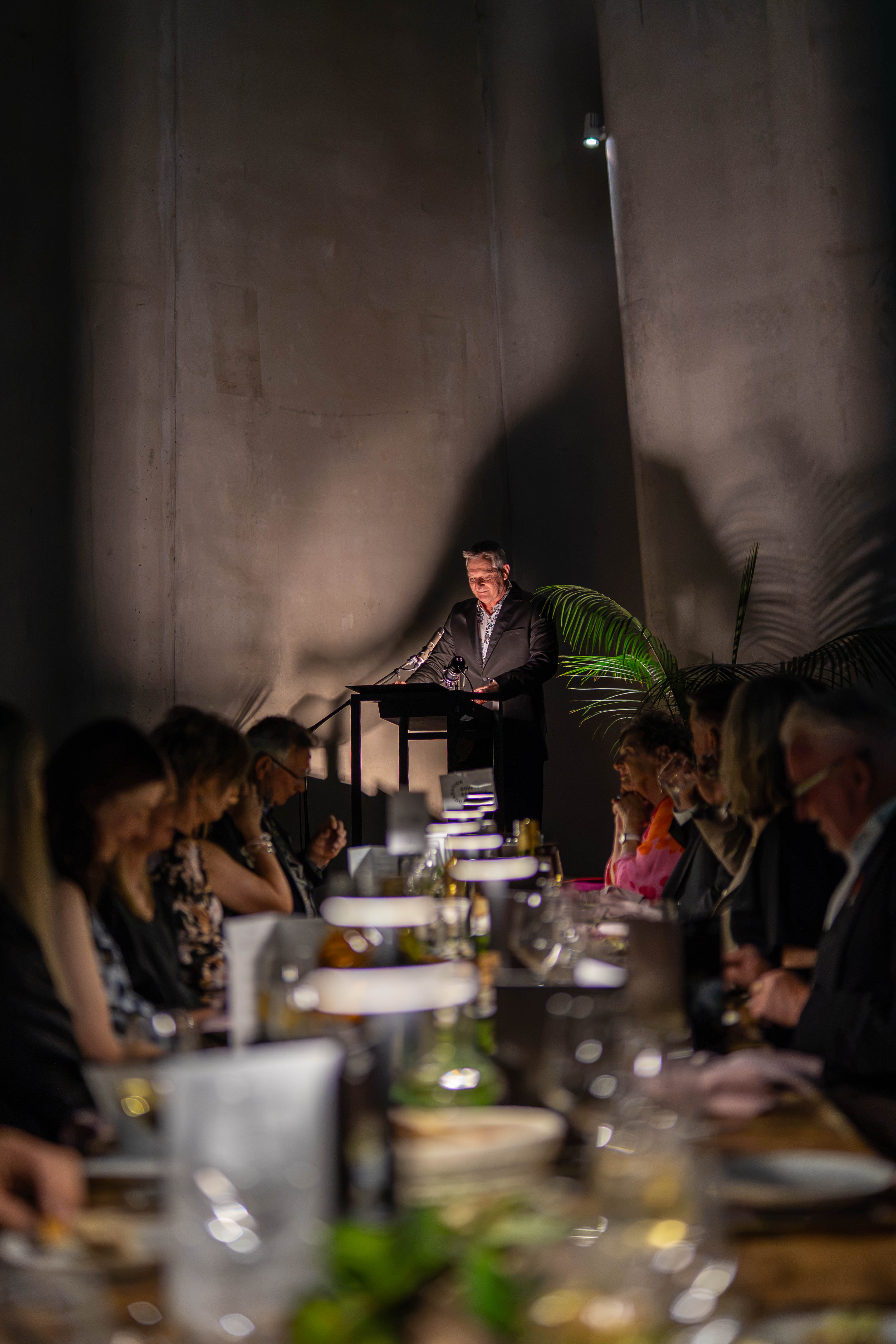
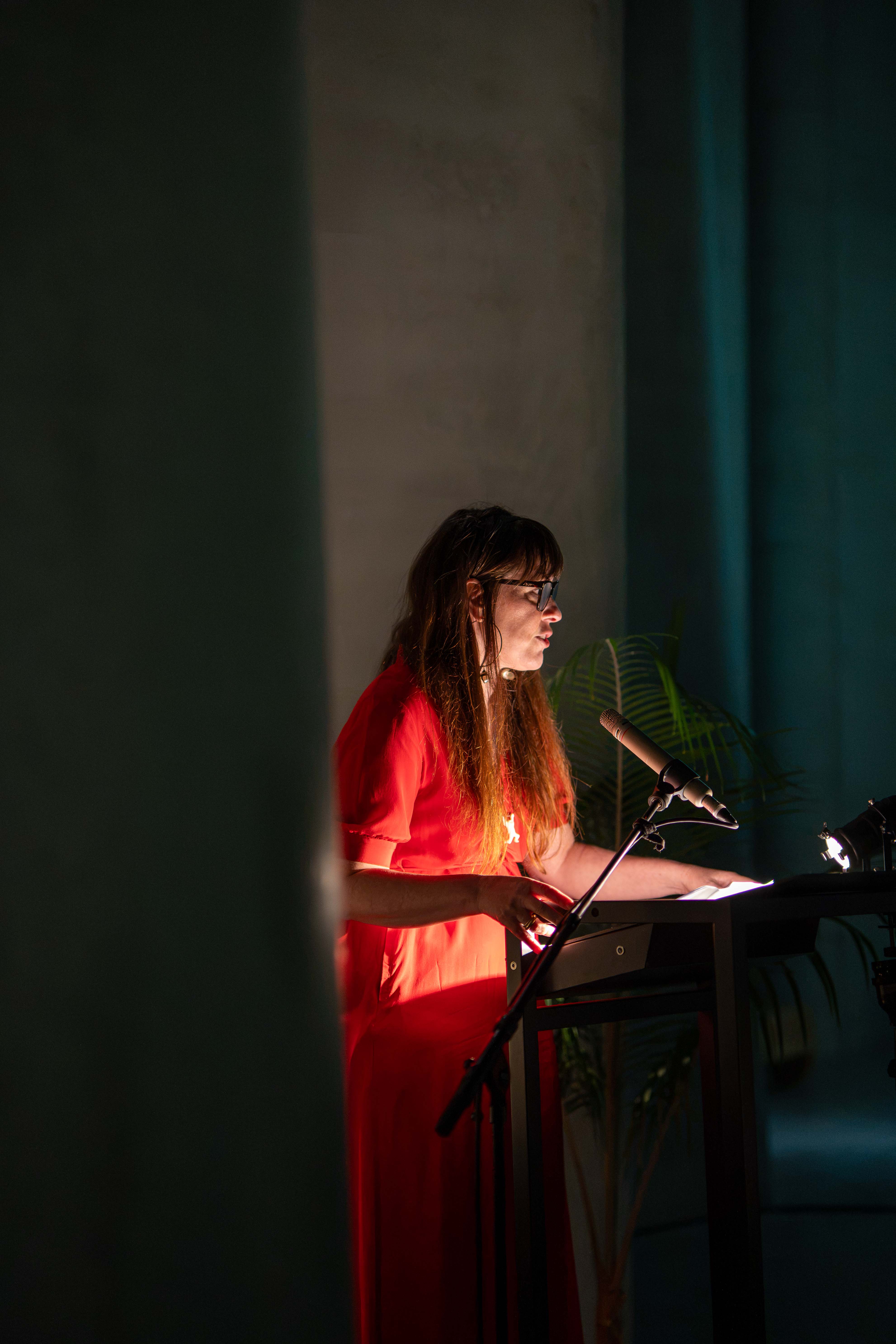
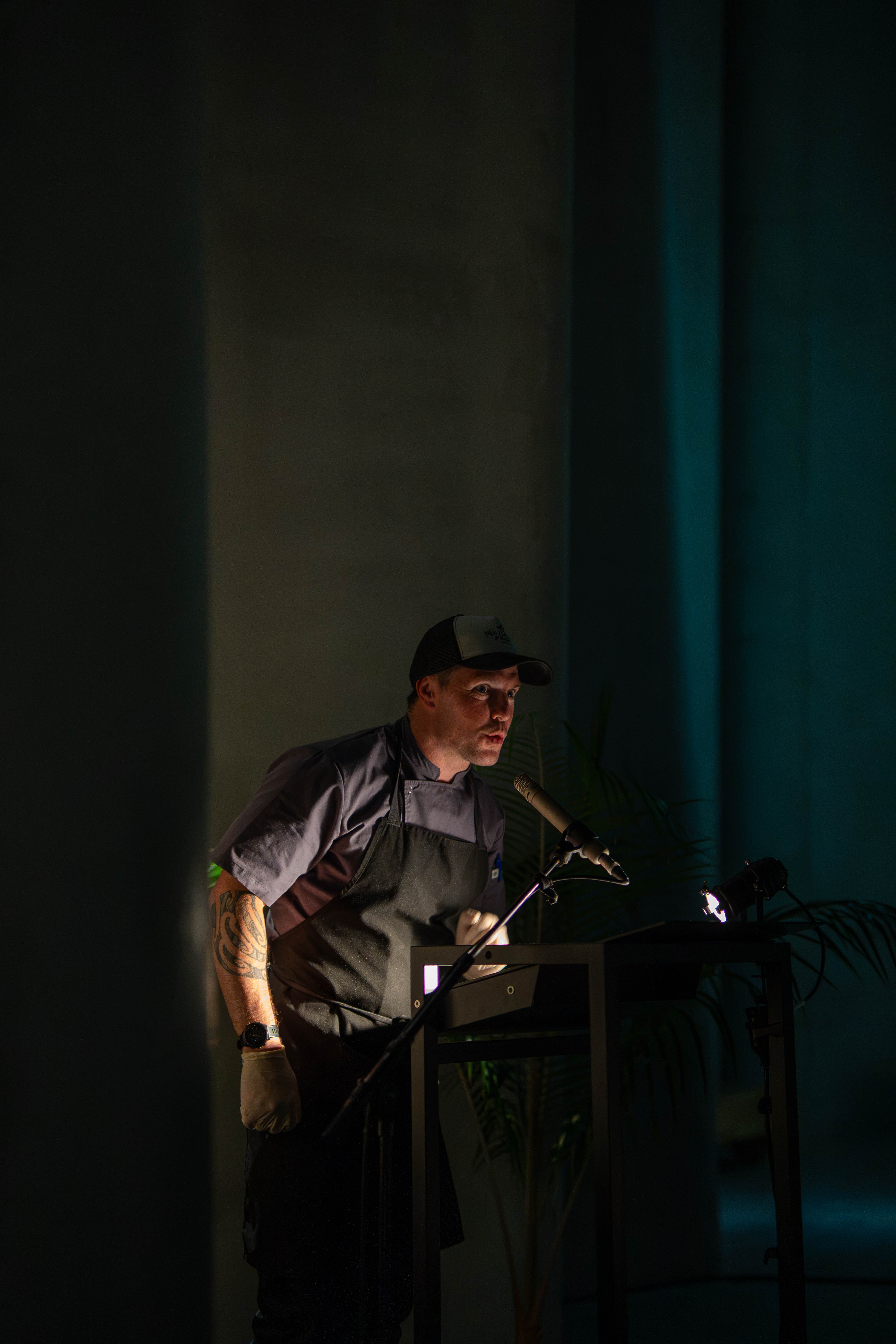
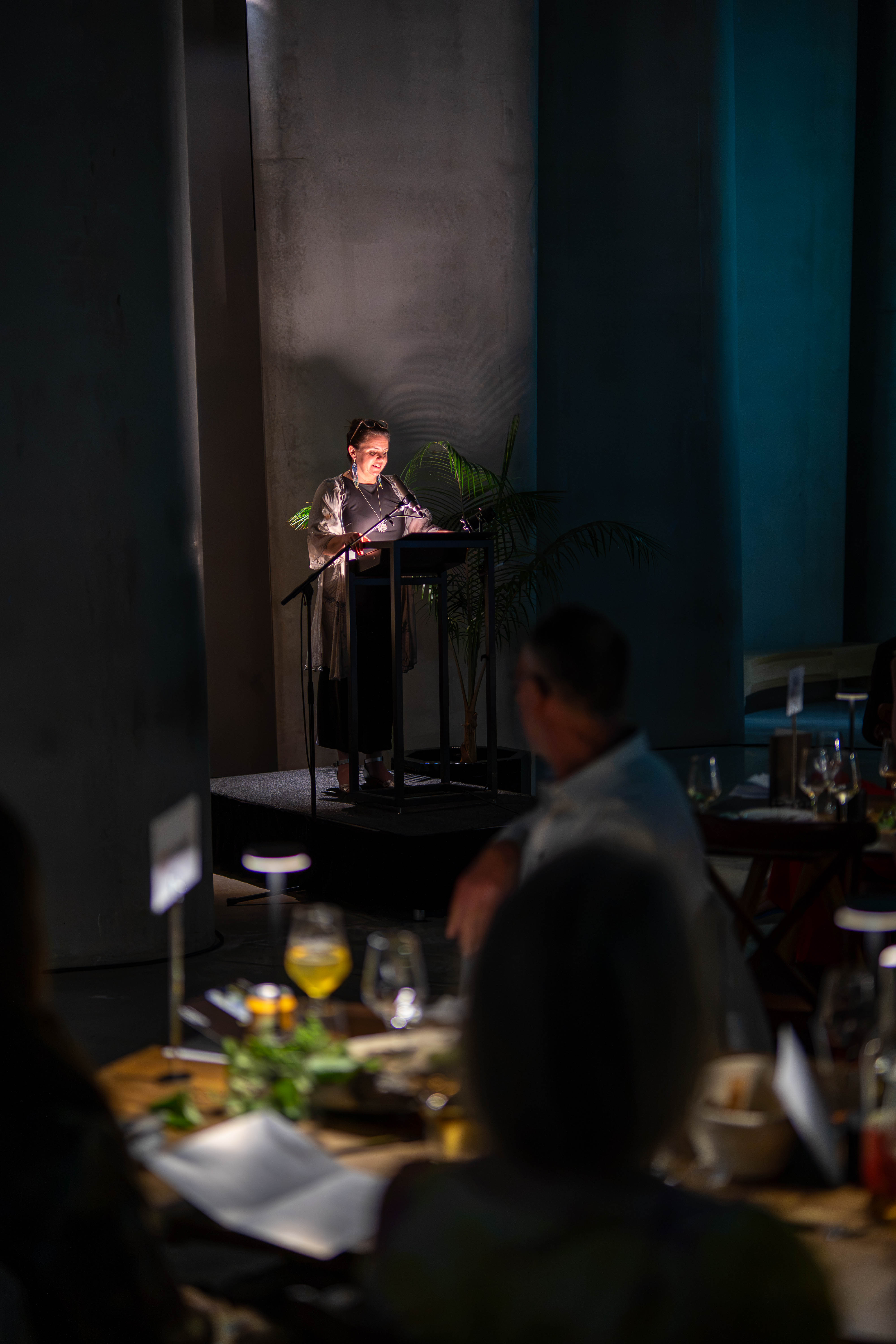
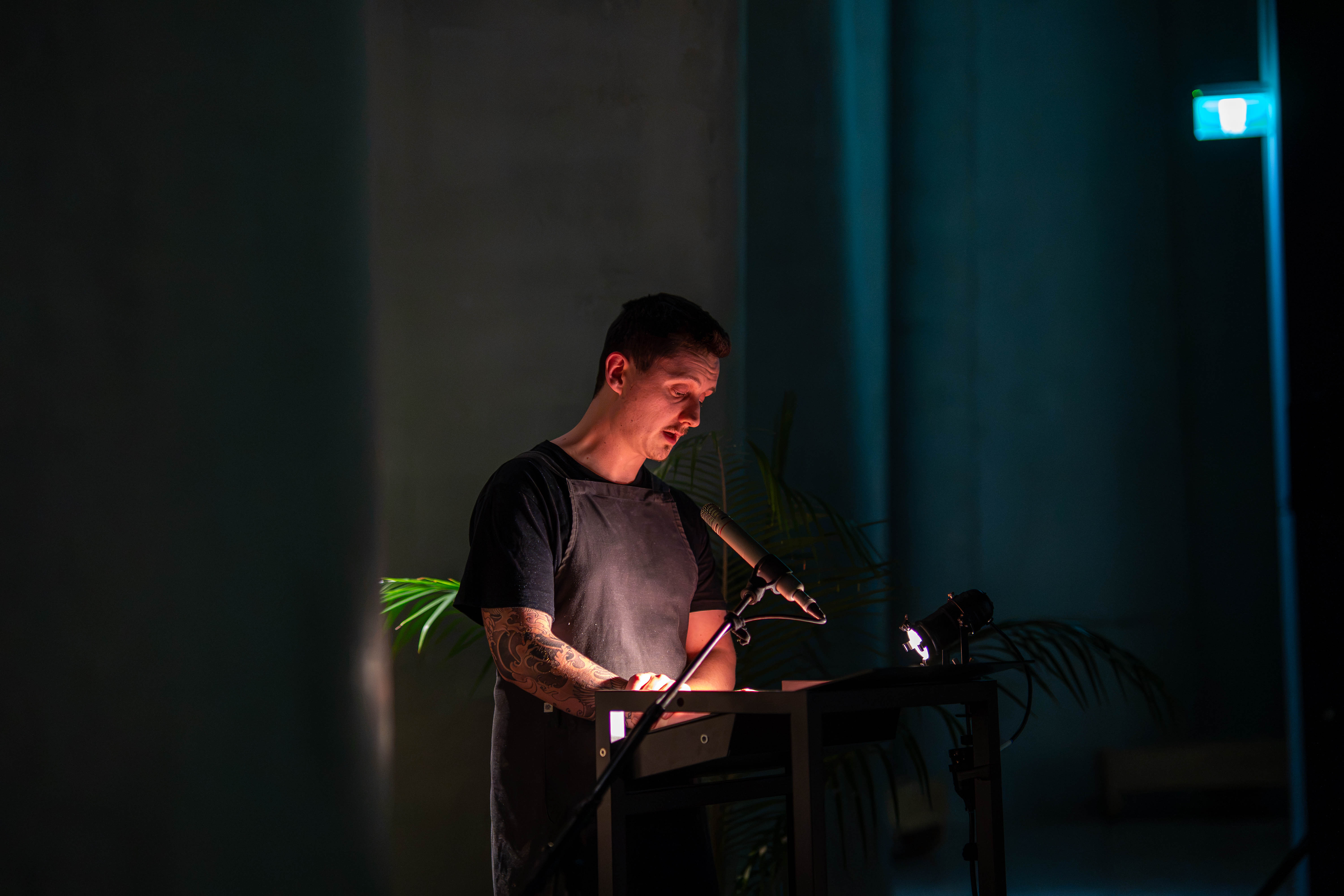
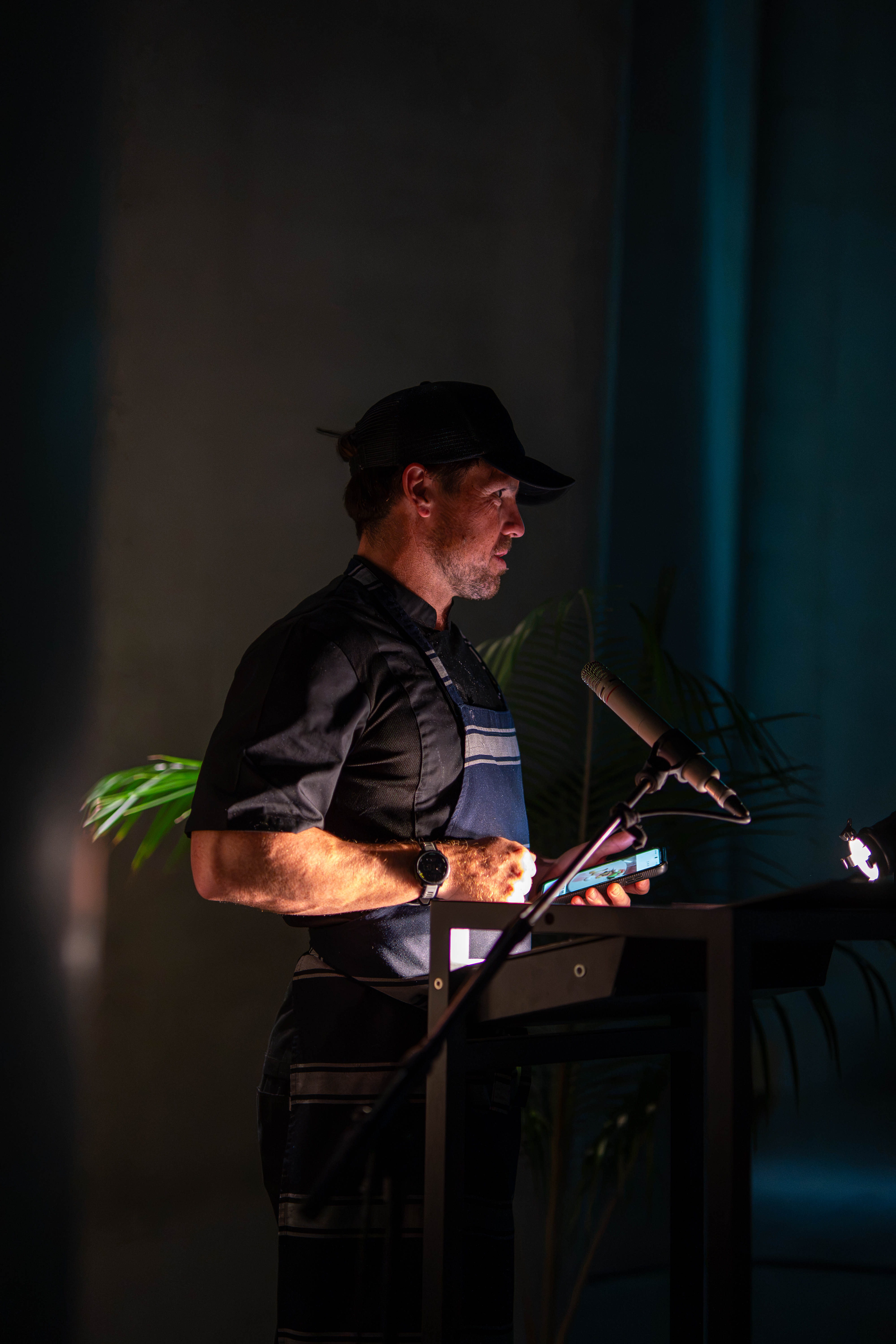
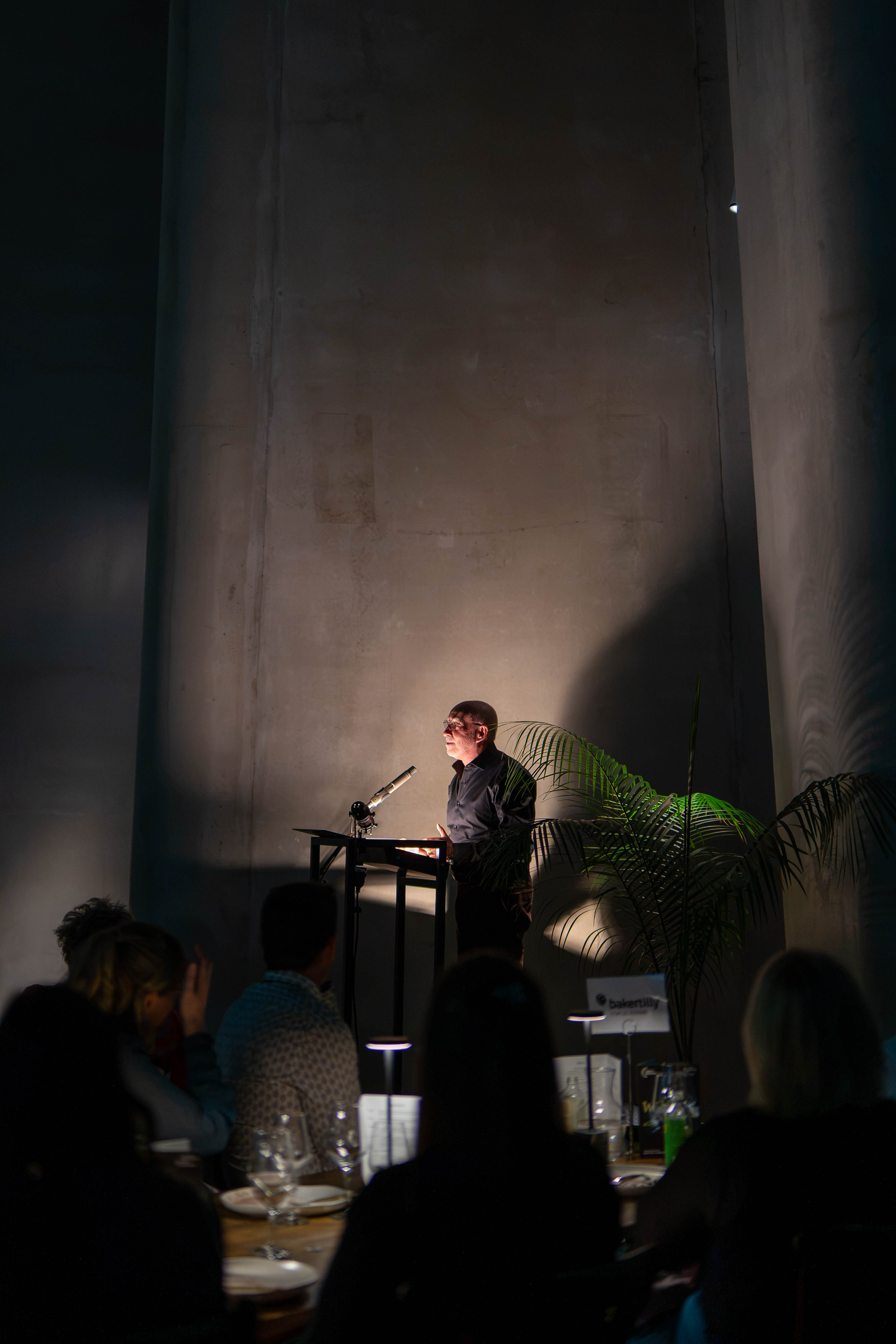
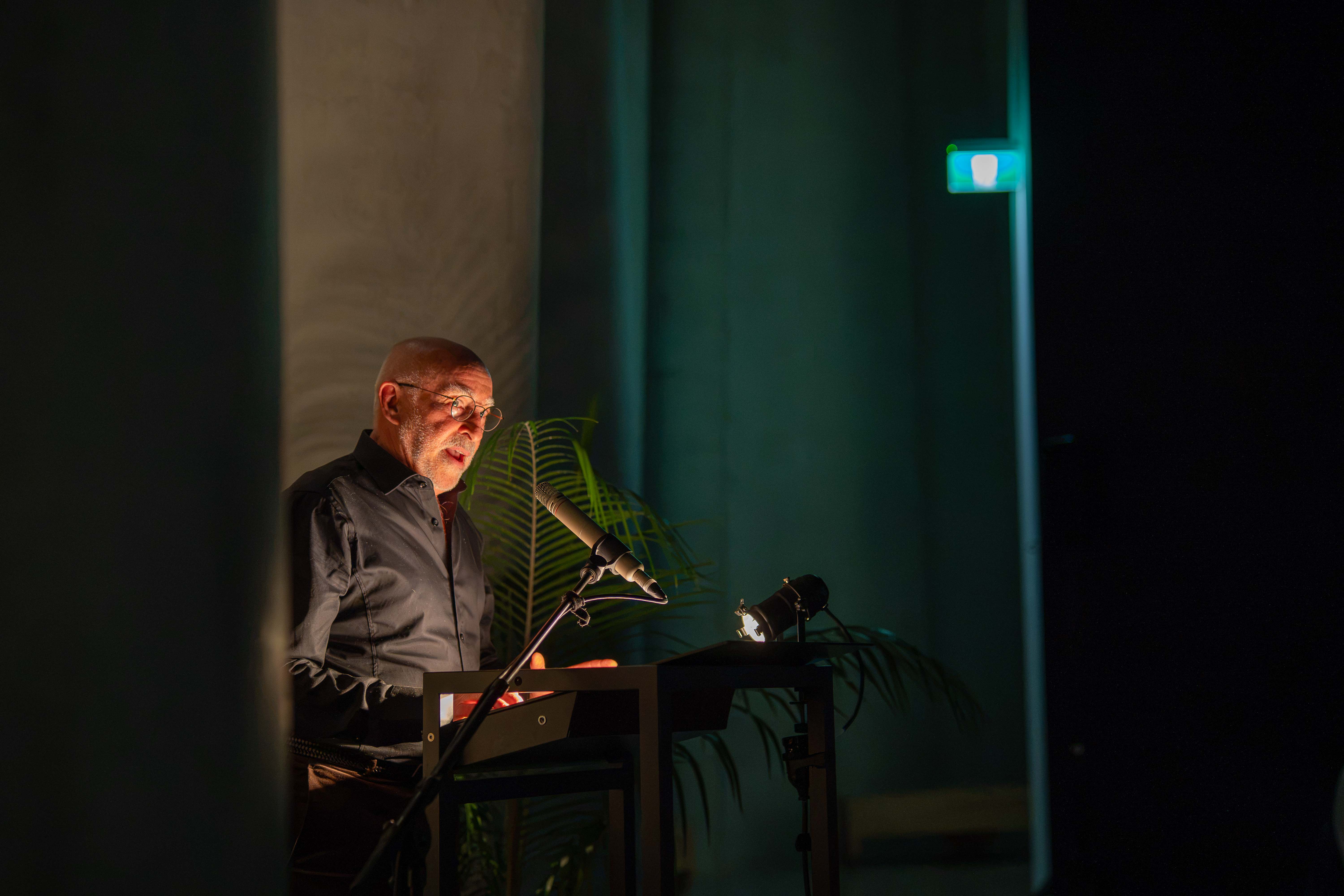
The Gallery hosted self-confessed nature nerd and RNZ’s Critter of the Week host Nicola Toki as keynote speaker at the 2026 Govett-Brewster Foundation Gala, and we share Nicola’s speech here with permission.
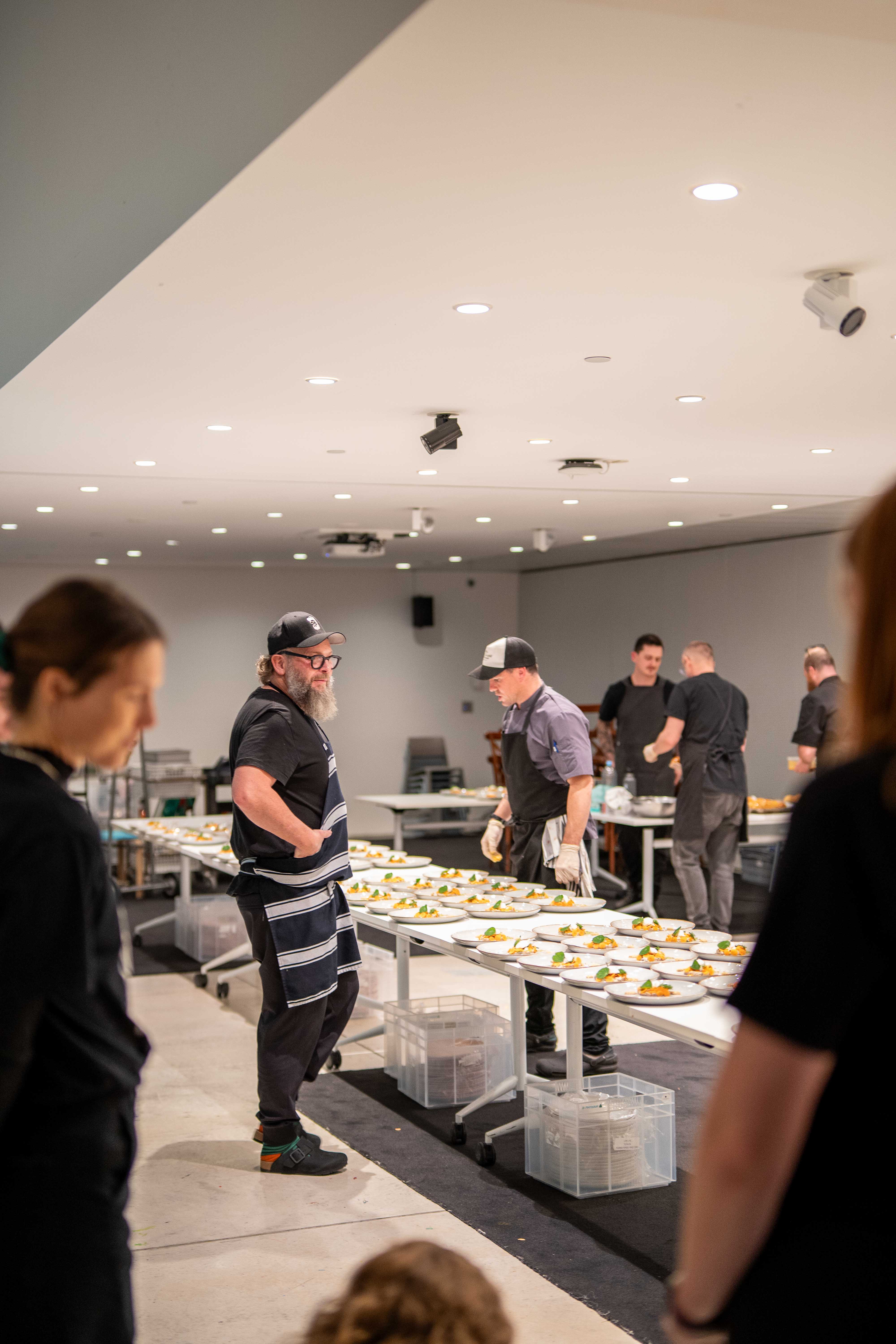
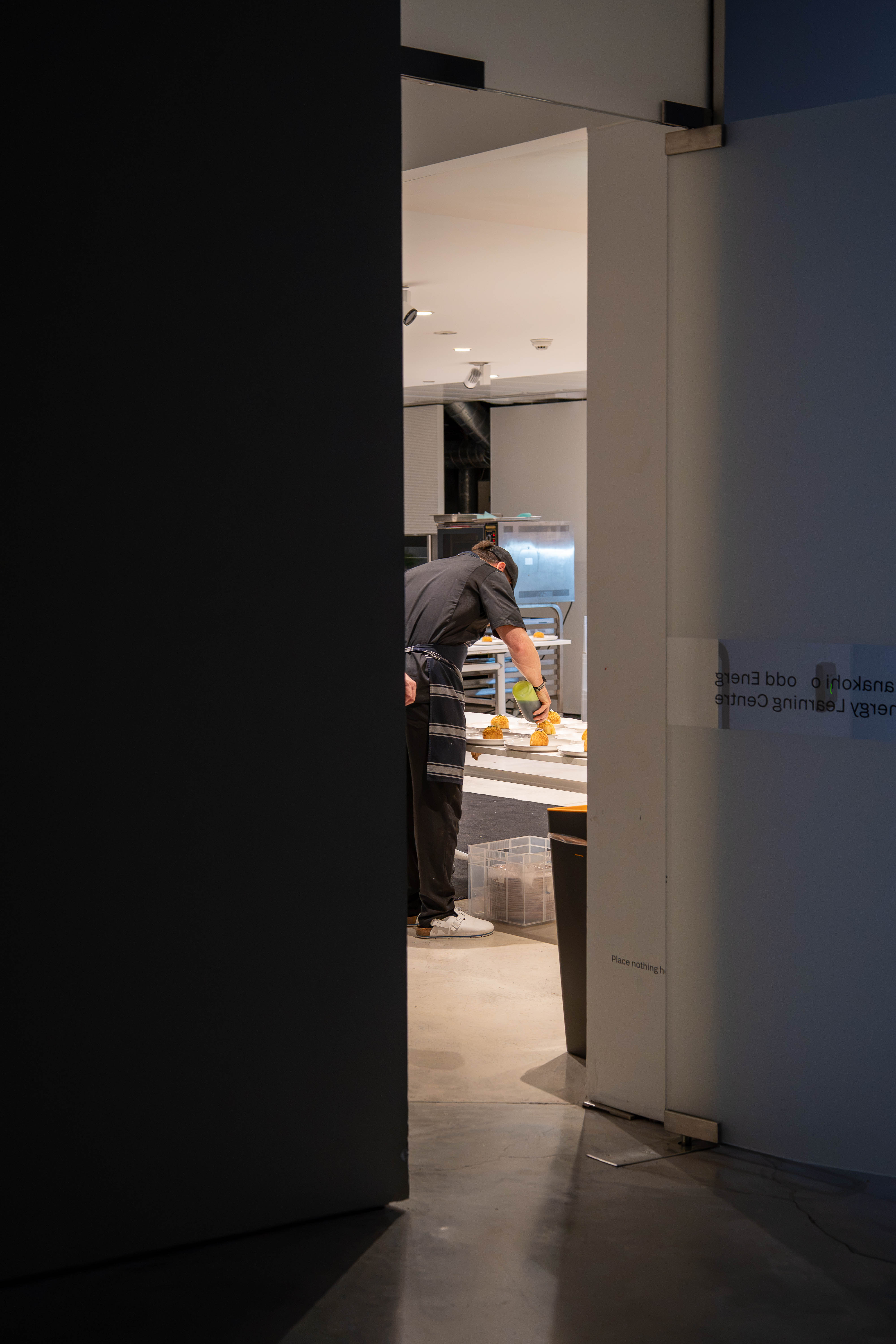
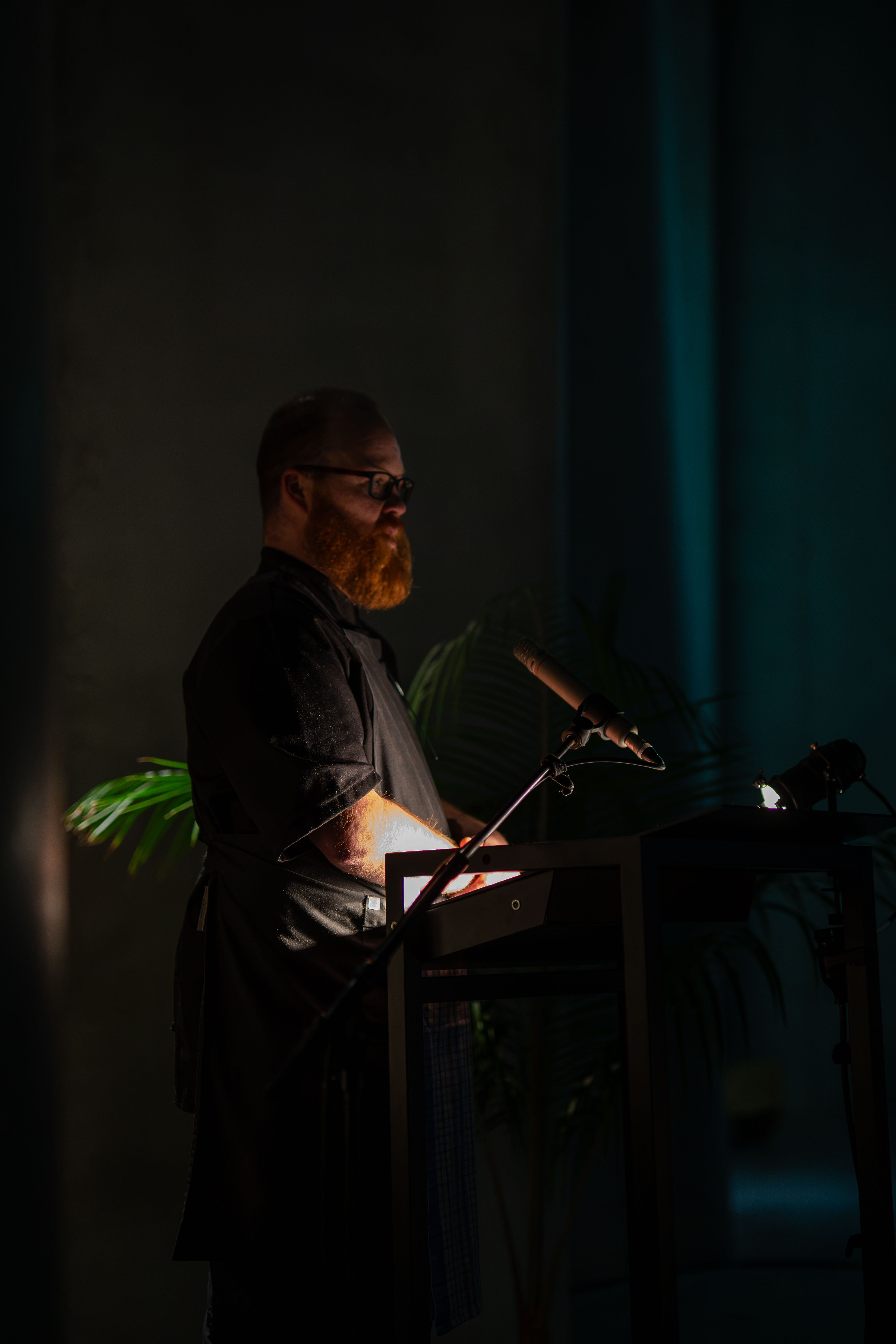
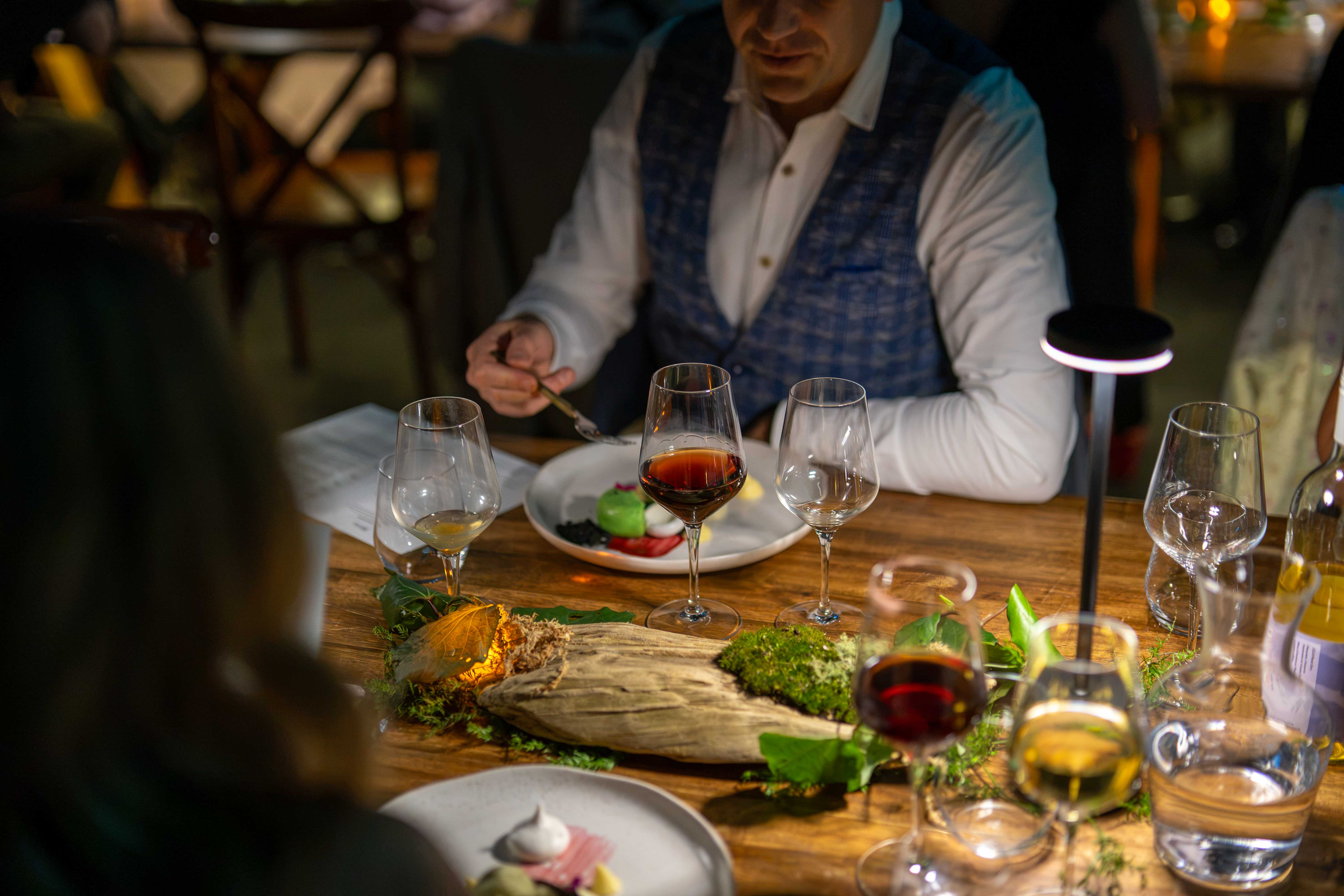
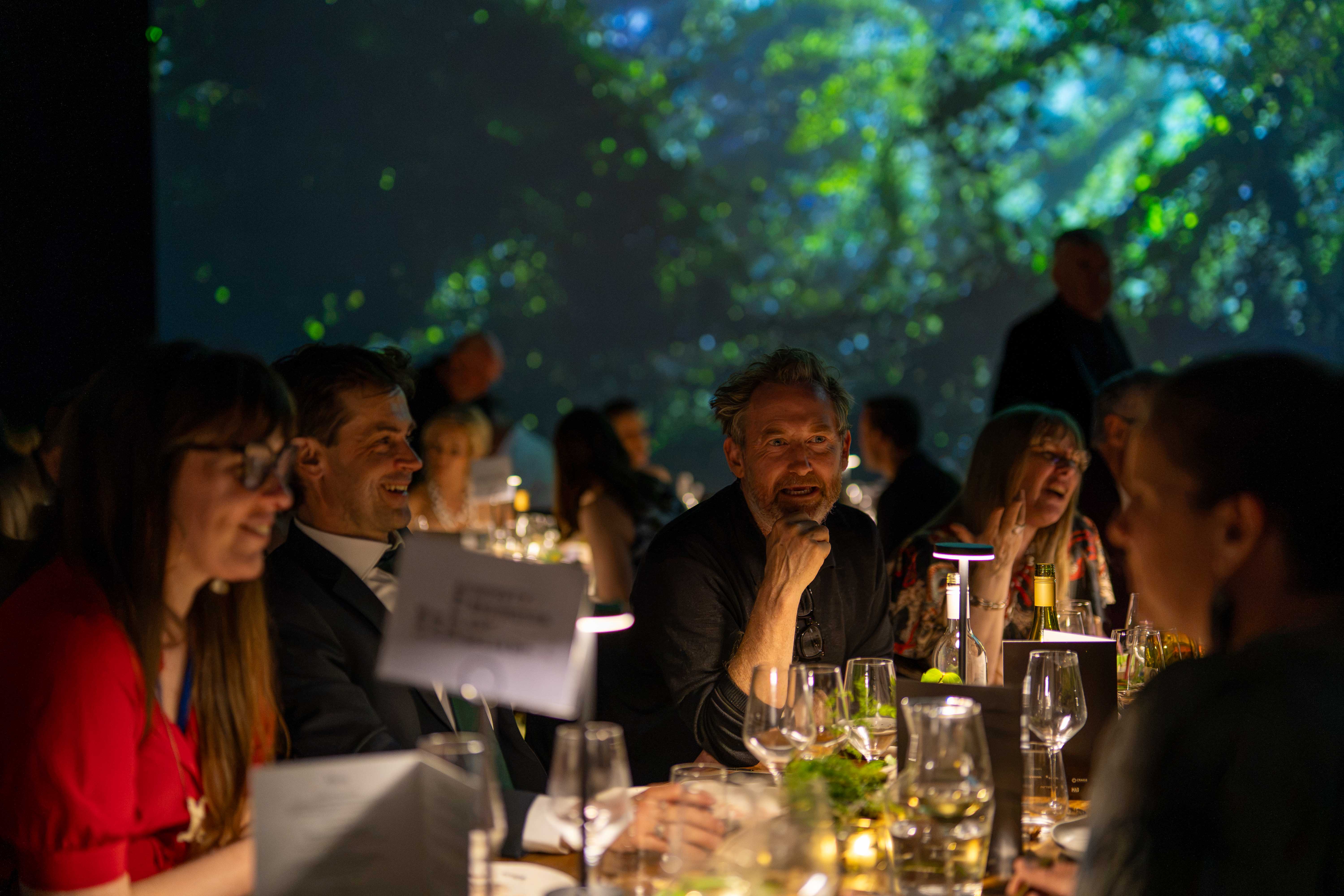
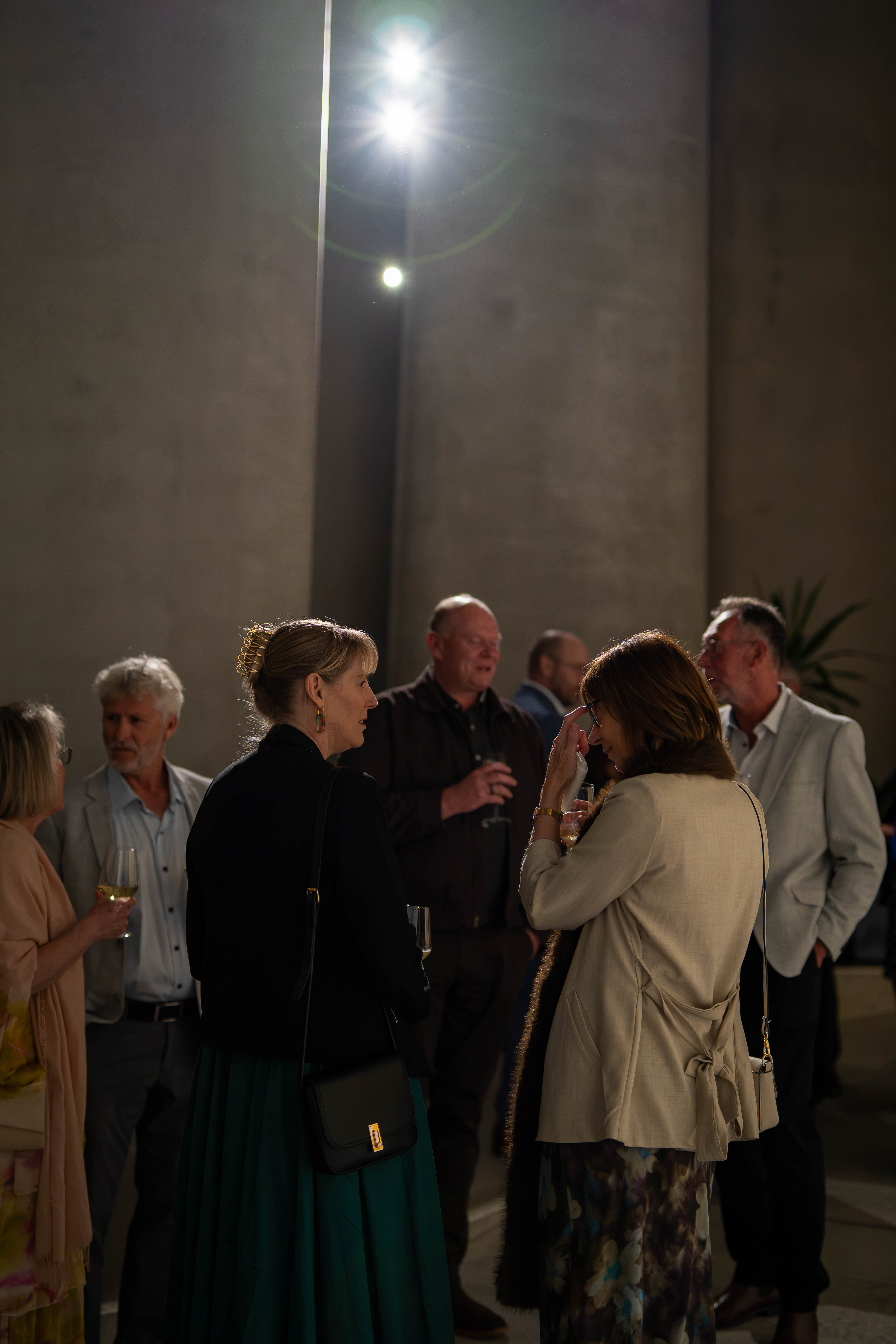
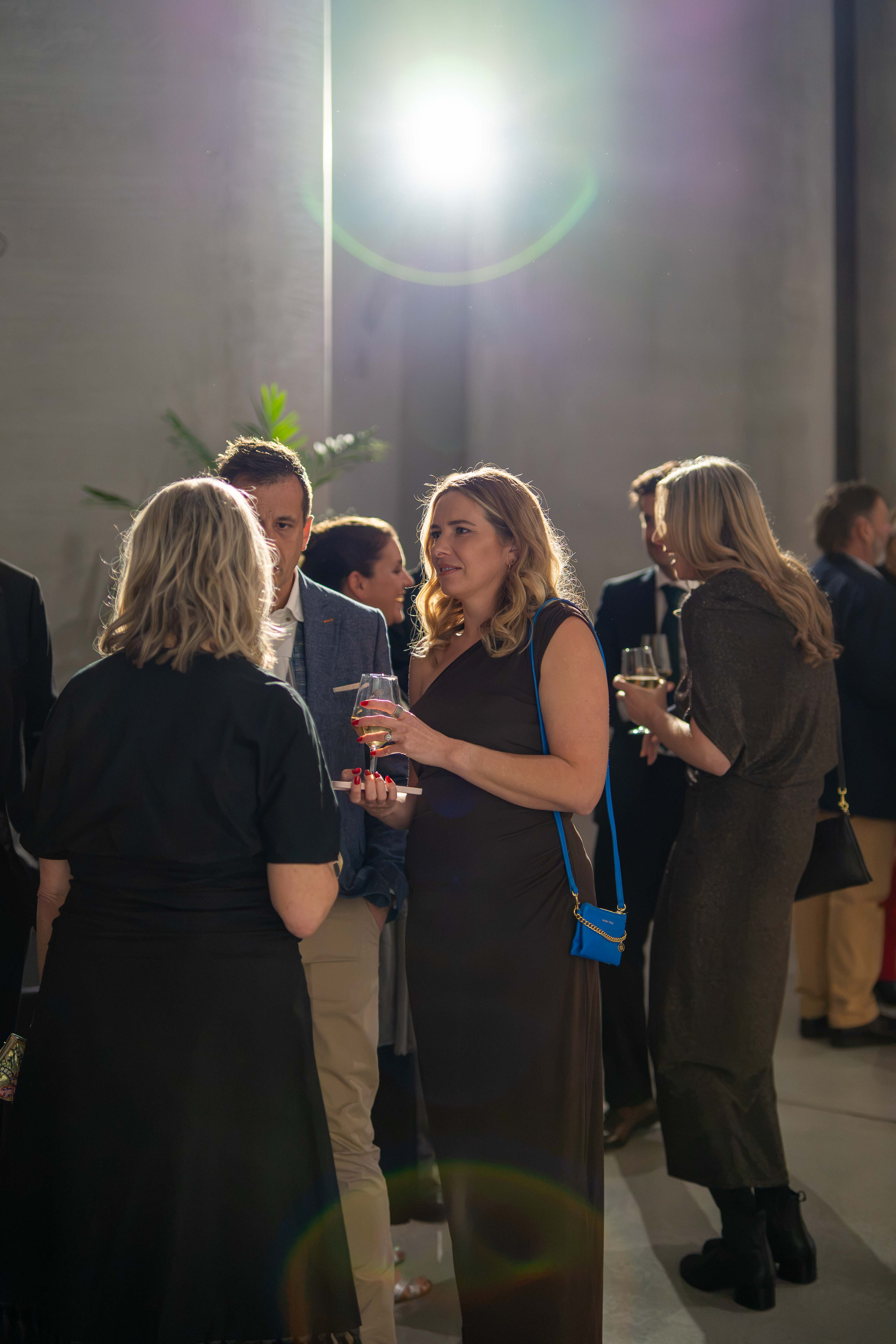
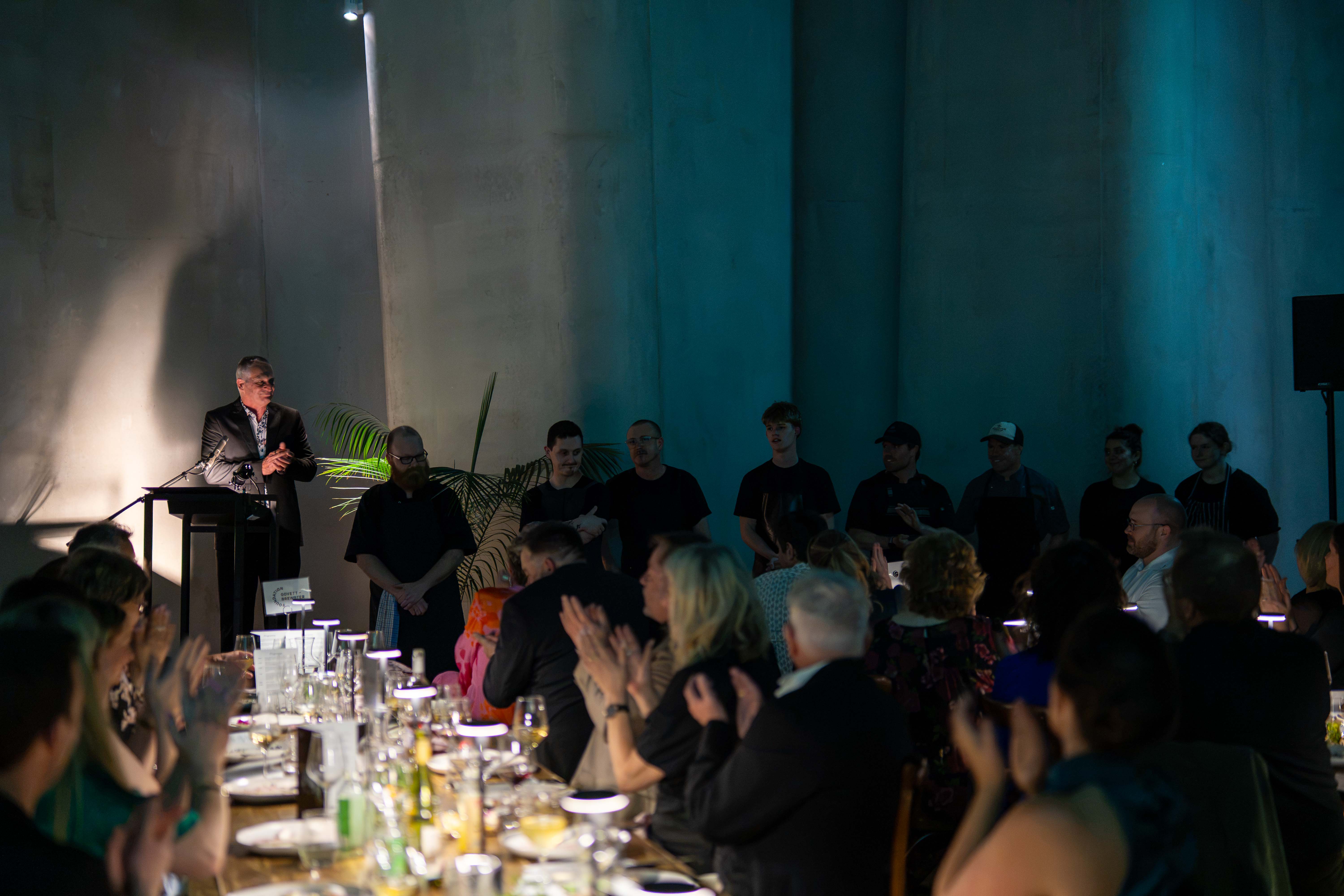
A highlight of the regional arts calendar, the Govett-Brewster Foundation Gala is an annual ticketed event, raising money for the Gallery’s primary philanthropic partner.

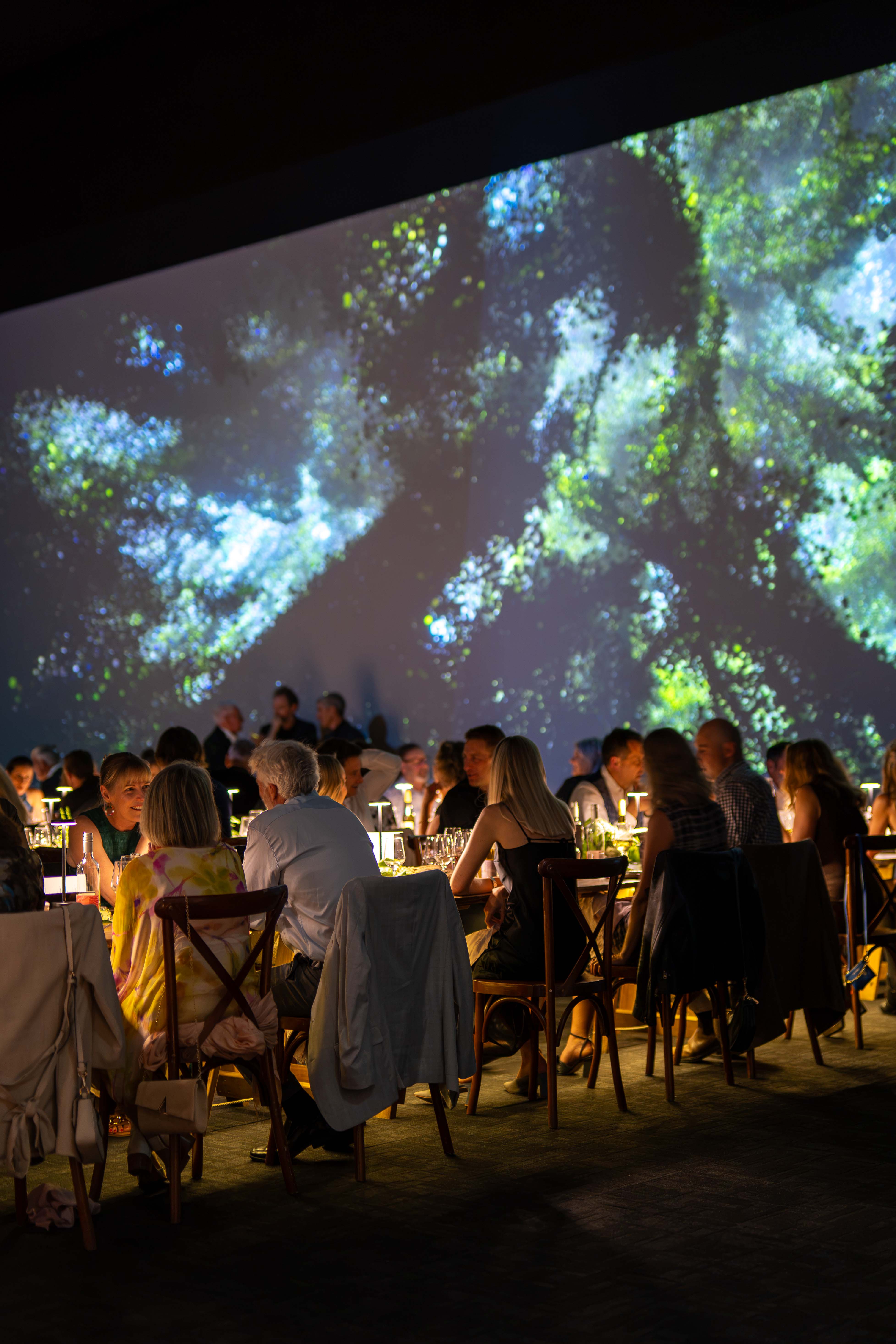
Simon Ingram, Vibrating World: Rotokare Forest, 39.45254° S, 174.41727° E, 2026. Installation view, Govett-Brewster Art Gallery | Len Lye Centre. two-channel video, surround sound, PC, speakers, audio interface, cable, duration variable. courtesy of the artist and Gow Langsford Gallery, Tāmaki Makaurau Auckland. supported by the Chartwell Collection, and Waipapa Taumata Rau, the University of Auckland.
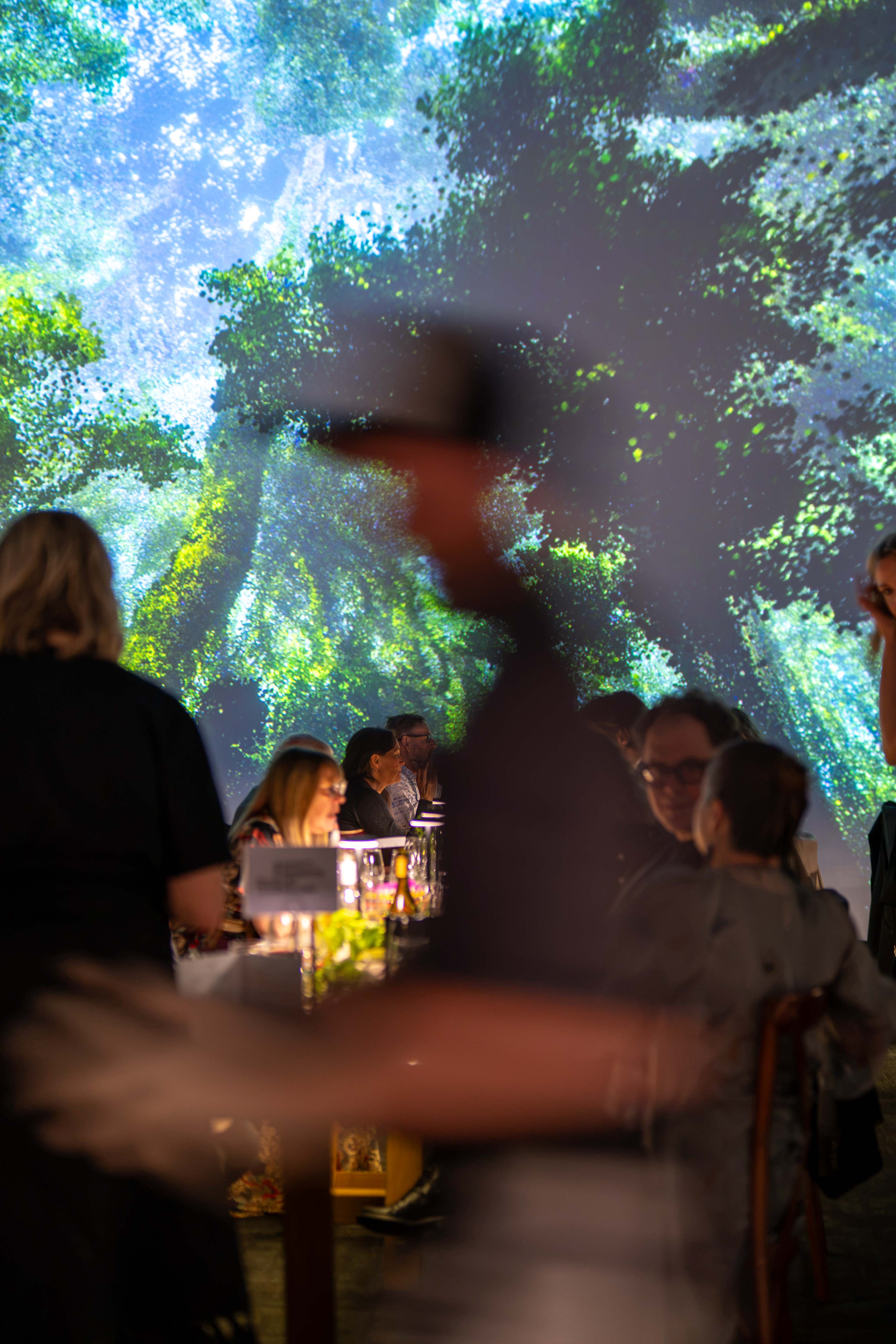
The event was held within Simon Ingram's immersive artwork Vibrating World: Rotokare Forest, 39.45254° S, 174.41727° E, 2026.
The technologically experimental work models a section of the nearby Rotokare Scenic Reserve, a predator-free sanctuary where the sounds of a thriving forest provided both source material and data for the installation. Developed over four years, Ingram's project brought together mana whenua and collaborators from conservation, engineering and the film industry, alongside deep engagement with the Taranaki community.

Here, we share an excerpt from Nicola Toki's response to Ingram’s immersive artwork, reflecting on the connection between art and nature…
Nicola Toki, “I have been extremely fortunate in my career. I have experienced holding kakapo chicks on whenua hou or Codfish Island; I have experienced the otherworldly feeling of having a tiny bat no bigger than my thumb, in a wee calico bag, tucked down my shirt in the middle of the night in a forest in the King Country to keep it warm. I have held Mahoenui giant weta, when their only home was a protected paddock of gorse, noting that they are now found in the beautiful Rotokare reserve near here. My studies, my passion, my working life has led me to opportunities such as these. I am aware of the privilege of this, and that not every body has the opportunity, the time, or the resources to experience these things.
It may be of no surprise to you all that Sir David Attenborough is my hero. I want to quote him now as to why art such as Simon’s is so crucial to us all. Sir David said:
No one will protect what they don't care about; and no one will care about what they have never experienced.
But I am convinced that Sir David doesn’t mean you have to be there in sometimes inaccessible places to be able to connect with nature. He means that we can experience nature in myriad ways. And art is one of the most crucial of these. This is why I have chosen a life of storytelling about nature.

Art and nature – and why it matters
Experiencing art is a healing experience, and so too is experiencing nature. There is a rapidly growing body of research that demonstrates how important even just being able to see nature does to our mental and physical wellbeing.
Most famously was the study of patients recovering in hospital from gallbladder surgery between 1972-1981 in Pennsylvania. Half of the patients could see a small stand of trees, and half could see a wall from their window. Those patients that could see the trees recovered faster and left hospital sooner than those that couldn’t. they also required less pain medication. Nature, without even having to be in it, is a healer.
This is something Simon Ingram and I have both spoken about recently. The idea that nature is something that brings us together, and that we work together to protect, and that in protecting it, we’re protecting our collective sense of self.
What Simon’s work Vibrating World: Rotokare Forest, 39.45254° S, 174.41727° E, 2026 does is bring both of these elements to the fore. He told me that in his work in Taranaki, he became friendly with an ecologist and his friend, both blind, who have been able to experience his artwork here along with a bunch of their low vision friends, and who reported happily to Simon that they felt they were back in the bush again. Bringing sound into this incredible visual work is inspired, because the sound of the bush is just as important as how it looks. The sound tells us a story of the health of the place, of abundance, of regeneration and of hope. I am blown away by the thoughtfulness of placing microphones at different heights, and using the bird song not just as a soundtrack but as visual bursts of light to illuminate to us the energy that a multitude of species brings to a place – what some of us might call biodiversity and what some of us might call mauri.
One of the things I appreciate greatly about Simon’s work, and his integrity and the authenticity of his art, is his focus on environmental monitoring. We have a real challenge in this country about the state of loss and the approach we have taken in my view has been a bit of a best of intentions, but failed experiment.
When it comes to conservation in NZ (and many parts of the Western World), we took a sort of Victorian approach where we put a metaphorical glass dome around some places, bunged a DOC sign out the front, and said ‘that’s protected now’. And for the longest time I think we all wanted to believe this was true. I had the privilege of spending part of my childhood living within a National Park. When I was a kid growing up in Aoraki Mount Cook National Park, kea played on our roof, skiing down the corrugated iron every morning, and I learned the hard way not to leave my bike out on the lawn overnight. Kea are in serious trouble now. Being in a national park hasn’t saved them. In fact, it’s led to the rest of the population tending to think that ‘someone else’ was looking after nature, instead of us all thinking it should be our job. As an aside, when I was a kid, there was no lake at the bottom of the Tasman glacier. Now the lake is so large, a commercial jetboat operation runs tours through the icebergs calving off the rapidly dwindling glacier – that has happened in my lifetime.
This disconnection from nature, through our approach of ‘putting it over there’, making it reserves etc, while at the same time running the Department of Conservation, charged with protecting a third of the country, on far less than half the budget of the Christchurch Ccity Council, has driven the loss further. Worse, we’ve removed people from nature. For mana whenua, not being able to access mahinga kai means a loss of practice, of te reo, of connection to whakapapa and a loss of identity.
I have two ‘worst’ statistics I trot out often. The first is what you might expect, which is that NZ, which loves to be number one, first to put a man on Everest, first to give women the vote, has the dubious honour of having the highest proportion of threatened species per capita in the world. We have 4000 threatened species and about 900 of those are on the edge of extinction.
I think there’s an even worse statistic, which most people don’t know about.
In New Zealand many of our forests remain silent. This is because of the rampant marauding of the four-legged furry predators that have rapidly made Aotearoa their larder. The best way I can describe the unique and amazing biodiversity of this country to people who may not be familiar with the ecology is simply to echo David Bellamy and say “New Zealand is the land without teeth” (not quite true, I got bitten by an eel the other day when I wasn’t paying attention, and I had a bruise for a week when a tuatara bit me, but you get the idea). If it has four legs and fur, it didn’t evolve here, and for wildlife that has existed here for more than 80 million years, a few hundred years of invasive mammals isn’t enough time for our wildlife to be able to pivot. It’s why places like Rotokare matter so much, and why we must make more of them wherever we can.

To experience nature in New Zealand, you have to know who it is. And when it comes to our manu, you can’t truly see or experience the bush (or the wetlands, or the coast, or the alpine environments), until you’ve learned their song. For the longest time, until I was well into my twenties, I couldn’t ‘see’ the birds around me, because I couldn’t identify their songs. Now, especially in Spring, when I wake in my home in North Canterbury, I can immediately hear that korimako or bellbird belting out his tune from the kowhai I planted, and I very rarely see them, but I can certainly hear the grey warbler - so much voice for a bird that weighs about the same as a two dollar coin. To hear them is to know them, and until I learned their songs, I didn’t know, couldn’t read, or build a picture in my mind of the wildlife around me. So, to build a soundscape into this incredible art gives it a dimension that builds a picture of hope.
Hope on its own doesn’t work, but hope drives action.
To have hope and drive the actions that achieve our vision is what Simon is telling us in Vibrating World – Rotokare Forest. He’s given us direct access to real data about what is happening in that place, nestled near a wetland, in a stand of kahikatea, trees which would have stood proudly across the region not that long ago. We have lost a lot. But nature binds us together. We are increasingly divided, and yet we have this connection to each other, deeply embedded in our national identity, which holds us in unity. We must do more, and we already know that with places like Rotokare we have the recipe to bring back the energy, the mauri of these places, and replenish our own collective energy as a country.
I truly believe that by bringing the experience through real data, true science communication through this epic artwork, Simon is showing us what it feels like in the forest when the energy is returned. And now that we have all experienced it, to Sir David Attenborough’s point, we will care about it, and if we care about it, we must want to protect it.”
Thanks to Nicola Toki for letting us share her keynote, thanks also to Simon Ingram who has generously donated Vibrating World - Rotokare Forest into the Govett-Brewster Art Gallery Collection for future audiences to enjoy. Thanks to the Govett-Brewster Foundation for their patronage and the event.
Find out more about the Govett-Brewster Foundation here.